This week, the most exciting addition to iPhone Essentials Plus yet, iPhone Fold rumours, news on the OpenAI product, and yet more bad news for Apple products...
iPhone Essentials Plus - A Truly Exciting Update;
A quick update on the courses before we get into the Apple news. If that's not your thing, no problem, scroll on down. But honestly, I'm pretty excited about this one.
One of the things I love about iPhone Essentials Plus is that it keeps growing. Every week I'm adding new lessons, new guides, new PDFs. The course now has over 400 lessons and it's only getting bigger. But content is only useful if you can find what you need. Having 400 lessons is great. Spending five minutes trying to track down the one tip you're looking for isn't great. Two updates this week are all about fixing that.
First, the course has had a visual redesign. The layout has been completely reworked to make it much easier to find your way around, whether you're searching, browsing by module, or working through the content from start to finish. Big improvement.
But the second update is the one I've been genuinely buzzing about for weeks.
I've launched a brand new AI chatbot inside the course, called Ask PHT. It's in beta, but I'm really pleased with it already. You can ask it anything covered in iPhone Essentials Plus and it gives you a direct, useful answer. Ask "how do I scan a document into a note" and it walks you through the exact steps and links you to the relevant lesson. Ask "give me some tips for keeping my iPhone secure" and it gives you practical advice drawn from the course content. Ask "what are some good battery saving tips" and it tells you, then points you to the most relevant lessons to explore further.
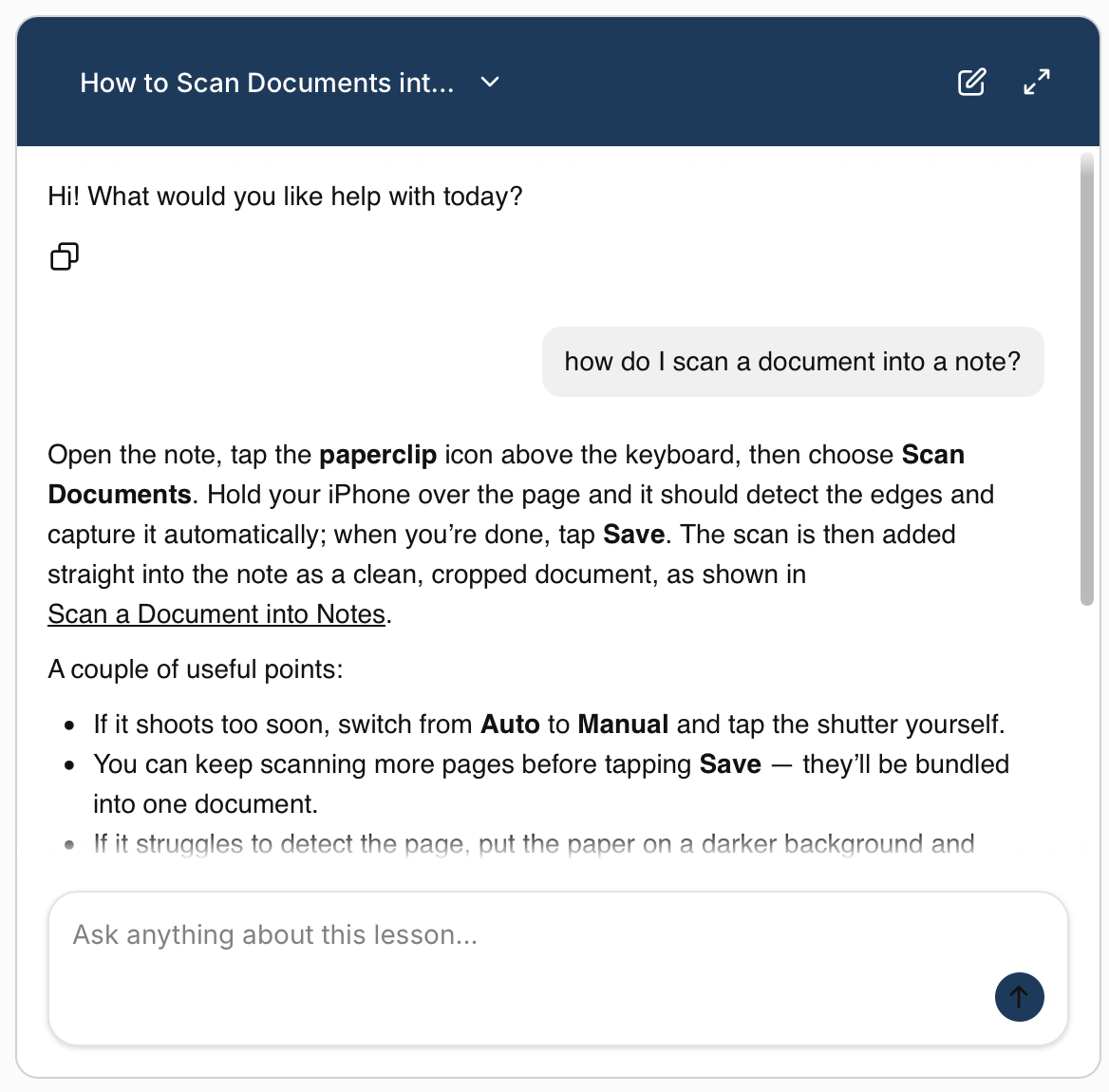
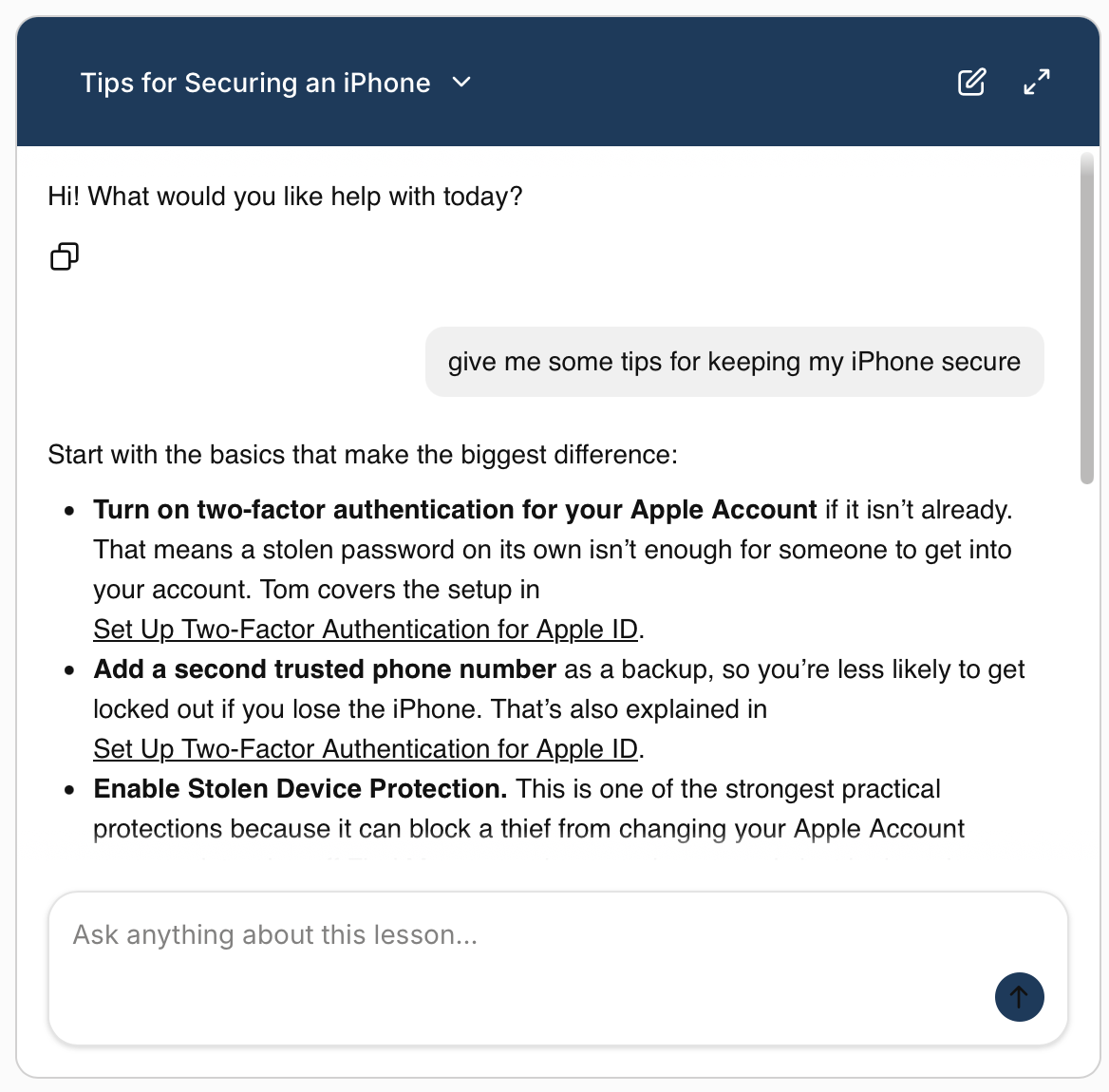
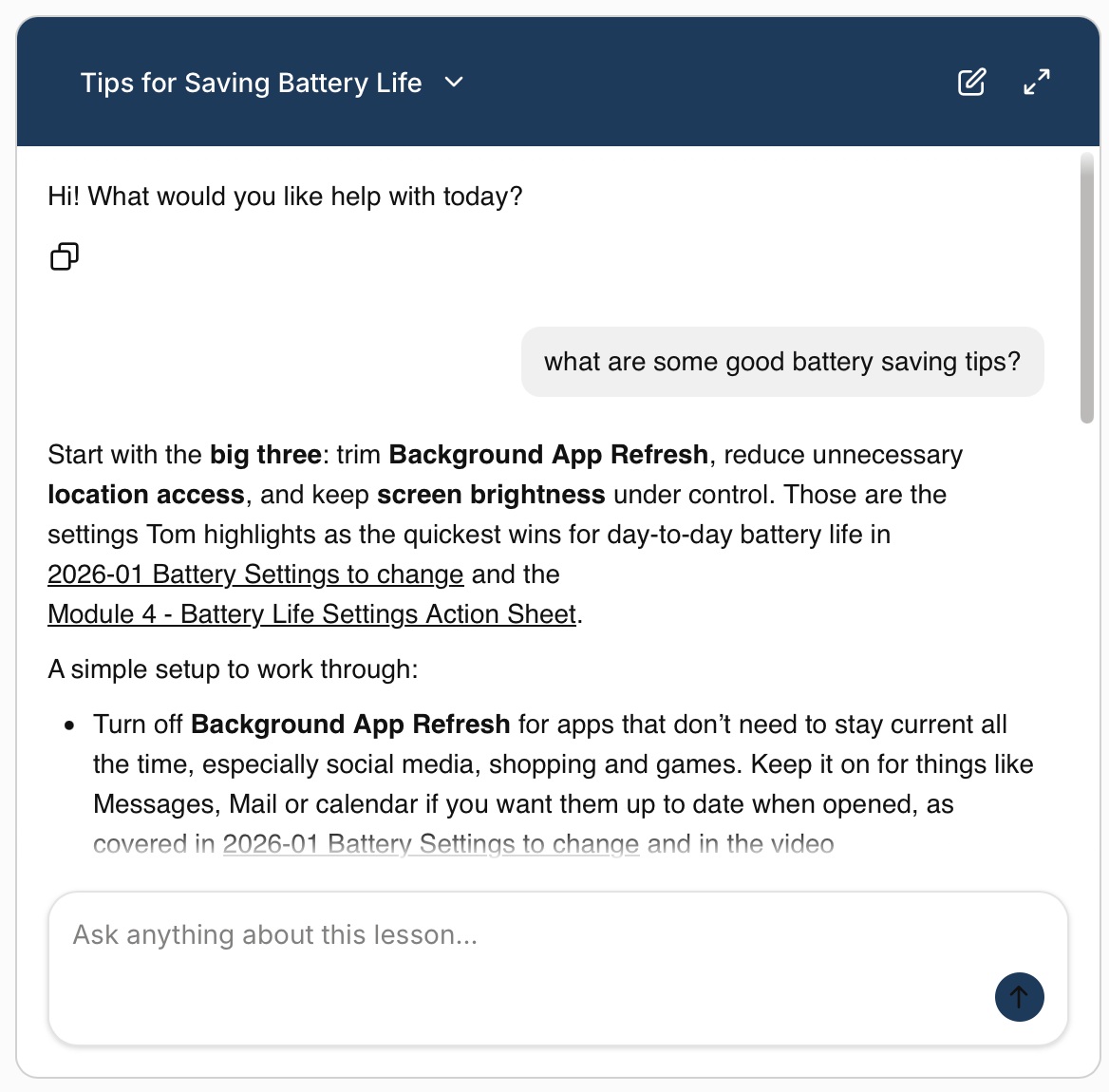
This is the feature I've been most excited about building. It solves the fundamental problem of a large, growing library: how do you find exactly what you need, instantly, without browsing or scrolling? You just ask. In plain English. The chatbot is educated from everything inside iPhone Essentials Plus and will get smarter as more content is added. I genuinely think this is the most significant addition to the course since it launched. Content matters. But being able to find the right content, at the right moment, without even having to look for it? That changes everything.
For now, the redesign and the chatbot are exclusive to the iPhone course. The Mac course will be getting the same treatment later this year when it goes through its own redesign.
If you already own iPhone Essentials Plus, both updates are live. Just log in here and have a play. The course is still available at its current price, and anyone who buys now will receive iPhone Essentials for free when it launches soon. Once iPhone Essentials goes live, the two courses will be sold separately and that offer disappears.
Purchase Links;
iPhone Ultra - The News So Far
With the iPhone event now likely just weeks away, the iPhone Ultra leaks have gone from a steady drip to a full-on flood. Here's where the picture stands as of this week.
The design is a book-style foldable, wider and squatter than Samsung's Galaxy Z Fold, closer to a passport in shape when closed. A 5.5-inch OLED outer display sits on the front for quick interactions. Open it up and you get a 7.8-inch OLED inner display with a 120Hz refresh rate and a roughly 4:3 aspect ratio, making it closer to an iPad mini than any existing iPhone. When unfolded, it's reportedly just 4.5mm thin. Closed, somewhere between 9 and 9.5mm.
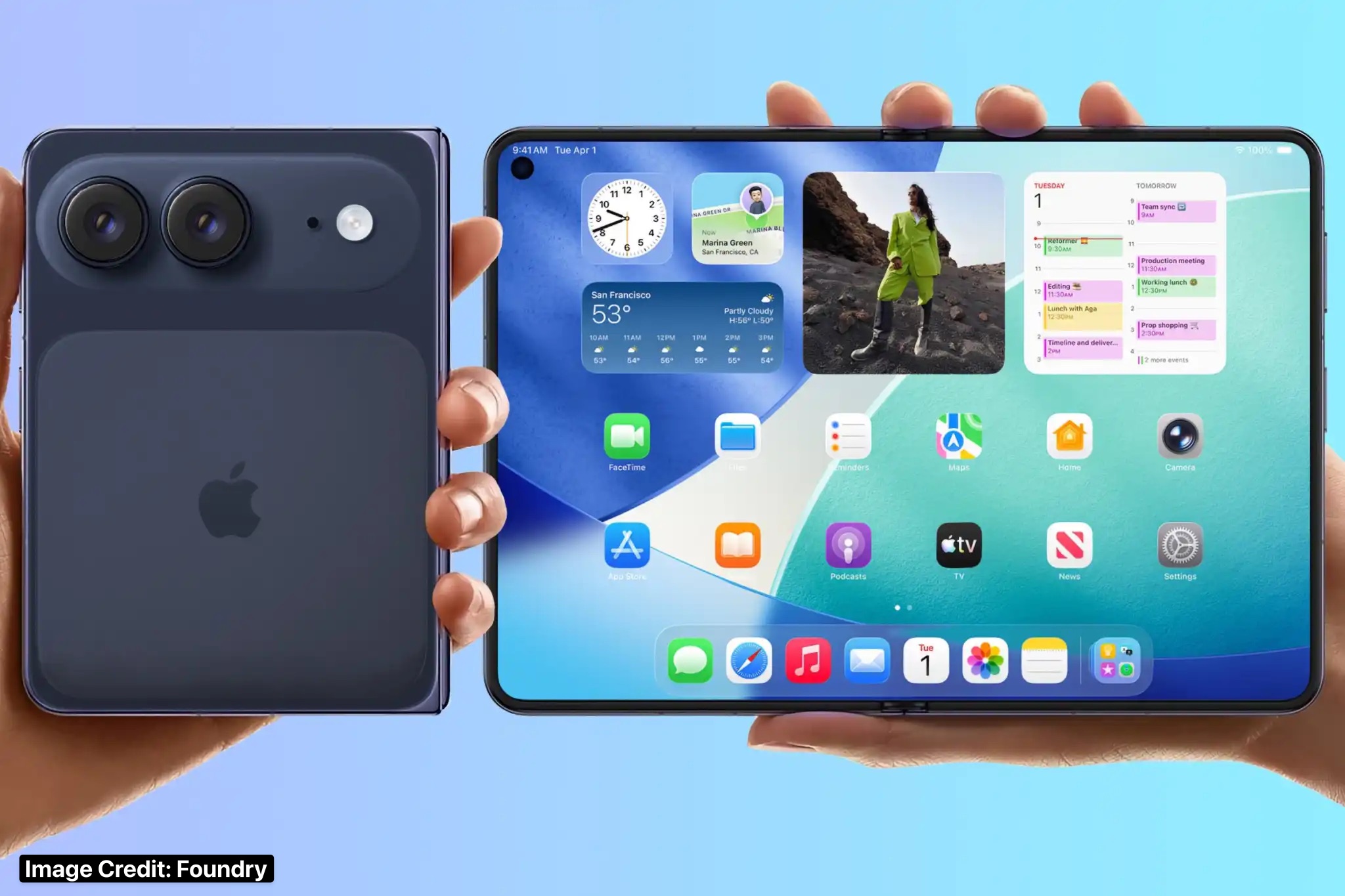
Earlier this week, leaker Ice Universe confirmed the inner display is a "symmetrical rounded rectangle," while Sonny Dickson shared images of protective camera module covers in silver and dark blue finishes, which could hint at the launch colours. Jon Prosser published full renders showing black and white options. The rear camera system is a dual 48-megapixel setup arranged horizontally on a raised bar, similar to the iPhone Air. There are also selfie cameras on both the outer and inner displays, a first for any iPhone.
Under the hood, the A20 Pro chip, a 5,000mAh battery, and 12GB of RAM. Touch ID rather than Face ID, reportedly built into the power button due to the engineering challenges of fitting Face ID hardware into a foldable. No MagSafe, which remains one of the most controversial omissions. And iOS 27's code continues to reveal more: references to "foldstate," "angledegrees," and six unannounced iPhone models were found in this week's developer beta.
Pricing is expected to start at $1,999 to $2,499 depending on storage, making it comfortably the most expensive iPhone ever. The announcement is widely expected at the September 9th event, with availability likely staggered: the iPhone 18 Pro and Pro Max shipping first, followed by the Ultra in October or November. Some analysts still think December is possible if yields remain challenging.
One month to go, for the first iPhone event I've been truly excited about in years.
OpenAI's Hardware Device is a Doughnut - Really...
Remember the Apple vs OpenAI lawsuit? The one where Apple accused OpenAI of building hardware using stolen trade secrets? Well, earlier this week we got our first proper look at what that hardware actually is. And it's a doughnut.
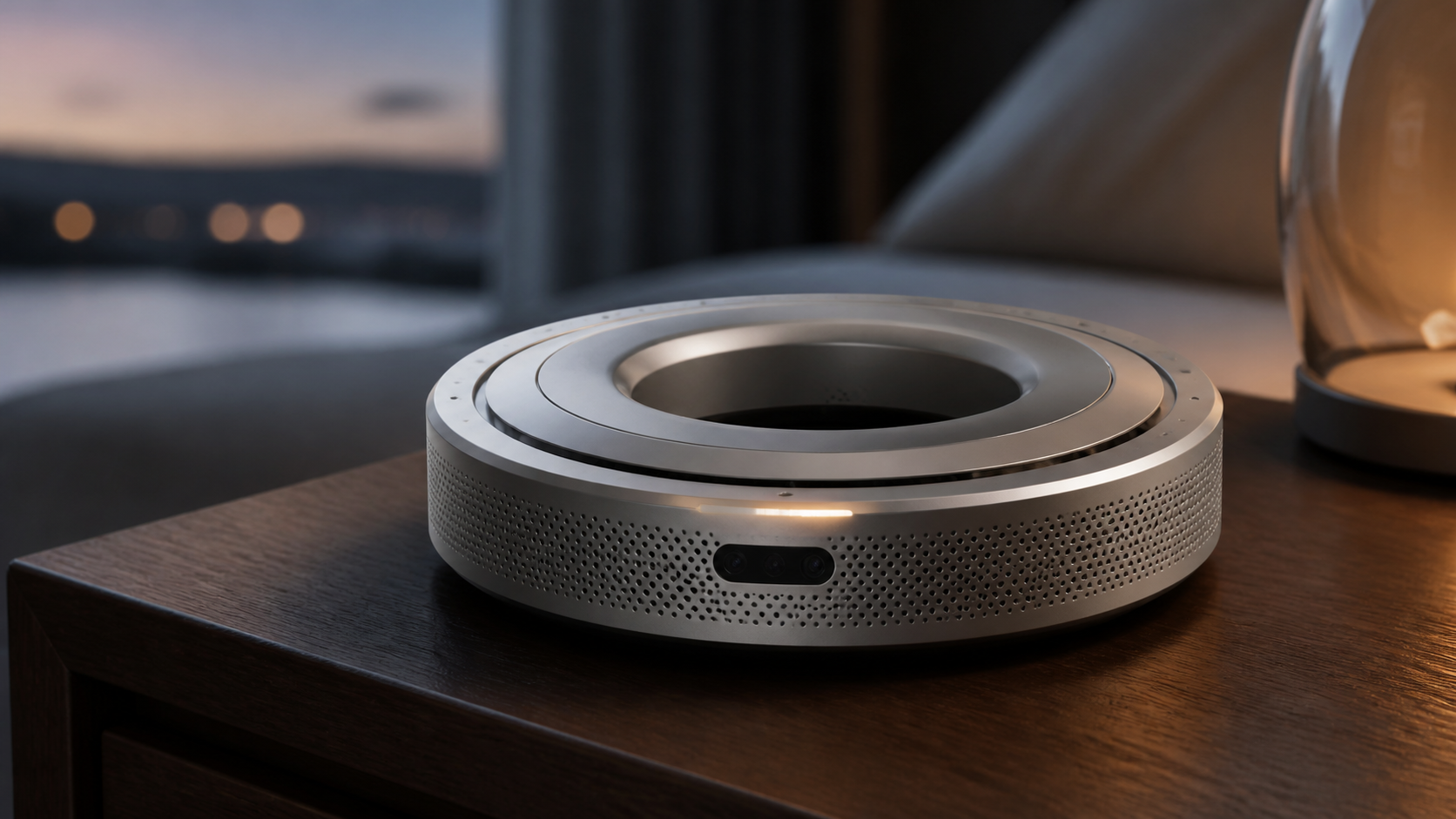
Bloomberg reported that OpenAI's debut consumer device is a screenless, battery-powered smart speaker roughly the size of a hockey puck, shaped like a ring with a hole through the middle. It's made from premium metal, has speaker grills, microphones, lights, a camera system that can see your surroundings, and here's the party trick: it has moving parts that physically animate when it responds to you. Pricing is expected between $300 and $400, with a launch targeted for 2027.
The device was designed in collaboration with LoveFrom, the studio founded by former Apple design chief Jony Ive, whose hardware company io Products was acquired by OpenAI for a reported $6.5 billion. The man leading the hardware effort is Tang Tan, OpenAI's Chief Hardware Officer, who is also one of the named defendants in Apple's trade secret lawsuit. The irony of the situation is hard to overstate: the device Apple is accusing OpenAI of building with stolen IP now has a shape, a price, and a launch window.
OpenAI conducted an internal investigation and says it found no evidence that proprietary Apple information was used in the device's development. Apple, predictably, disagrees, and is seeking an injunction that could block its release entirely.
As a product concept, it's interesting. A portable, screen-free AI companion that you carry between rooms, powered by ChatGPT's voice mode, with a camera that feeds visual context into the AI. It's the kind of thing that sounds either genuinely useful or completely pointless depending on whether you already have a phone in your pocket, which everyone does. At $300 to $400, it's also considerably more expensive than an Amazon Echo or Google Nest, both of which already do voice assistant things perfectly well.
Whether it ever actually ships depends on two things: the lawsuit, and whether anyone wants a fidgeting metal doughnut on their nightstand. Apple is betting the answer to both is no.
No Apple Product Is Safe
For months, this newsletter has been tracking the memory shortage that's been quietly dismantling Apple's product lineup from the inside. First it was the Mac mini. Then the Mac Studio. Then the price increases hit Macs and iPads in June. Each time, iPhones were spared. Each time, we said it was only a matter of time. This week, time ran out.
Reports confirmed earlier this week that Apple is raising prices on all existing iPhone models by $100, with the increases expected to take effect alongside the iPhone 18 launch next month. The iPhone 17 Pro, which has held at $1,099 since launch, will reportedly climb to $1,199. The iPhone 17 Pro Max goes from $1,199 to $1,299. Even the two-year-old iPhone 16 isn't being spared. Every iPhone in Apple's current lineup is going up. The iPhone 18 Pro, when it arrives in September, is expected to start at somewhere between $1,349 and $1,399, making it the most expensive "standard" Pro iPhone Apple has ever sold.
The numbers behind the increase are staggering. 9to5Mac reported this week that the bill of materials for the iPhone 18 Pro has jumped by roughly 38% year-on-year. The single biggest driver is memory. Last year, RAM and storage accounted for about 10% of the component cost of an iPhone. This year, it's expected to exceed 40%. The display used to be the most expensive part inside your phone. Now it's the memory. That's how dramatically the supply situation has shifted.
Meanwhile, Apple's supply problems continue to spread. The MacBook Air, Apple's best-selling laptop, is now genuinely difficult to buy. Most configurations on Apple's online store are showing delivery estimates of two to three weeks. Models with 32GB of RAM are stretching to four to five weeks. Some customised configurations won't arrive until late September. Apple retail staff have described it as the most constrained MacBook Air supply they can remember, and Apple has updated its marketing materials to warn customers the laptop is "subject to availability." That's language you almost never see Apple use for a current-generation product.
The MacBook Air shortage is particularly painful because the price increase was supposed to help. When Apple raised it from $1,099 to $1,299 in June, the assumption was that higher prices would at least ease demand and bring supply back into balance. It hasn't worked. The delays have actually got worse since the price went up, which tells you the problem is entirely on the supply side. Apple simply cannot get enough components to build the laptops people want to buy.
Tim Cook described the situation during Apple's most recent earnings call as a "hundred-year flood" for the supply chain, and warned that constraints would only worsen as the September quarter progresses. SK Hynix has gone further, forecasting that 2027 will be the worst year for memory shortages in semiconductor history. Samsung, SK Hynix, and Micron, which together produce about 95% of the world's DRAM, have shifted production towards the high-bandwidth memory that AI companies are willing to pay almost anything for. Consumer devices are getting whatever is left.
Jefferies downgraded Apple's stock to "Sell" this week, citing rising memory costs and what the analyst called a "major iPhone setback." That's a bold call on a company that just posted record earnings and briefly crossed $5 trillion in market cap. But the maths is hard to argue with. If memory costs continue rising at the current rate, Apple faces a choice between shrinking its margins or continuing to raise prices. Neither option is comfortable. Shrinking margins spooks investors. Raising prices risks pushing consumers towards waiting another year, buying refurbished, or switching to Android. Apple has historically had the pricing power to absorb hits like this, but there's a limit, and we may be approaching it.
If you need a MacBook Air before September, Amazon is currently your best bet, with faster delivery and prices roughly $40 to $100 below Apple's list price on some configurations. Apple's refurbished store also has M4 MacBook Air units at lower prices. As for iPhones, if you've been thinking about buying an iPhone 17 Pro at its current price, the clock is now ticking. Once the increases take effect next month, that $1,099 starting price is gone for good.
The memory shortage isn't Apple's fault. But it's increasingly becoming Apple's problem. And for the first time, there's no product in Apple's lineup that's been left untouched by it.
Tip of the Week
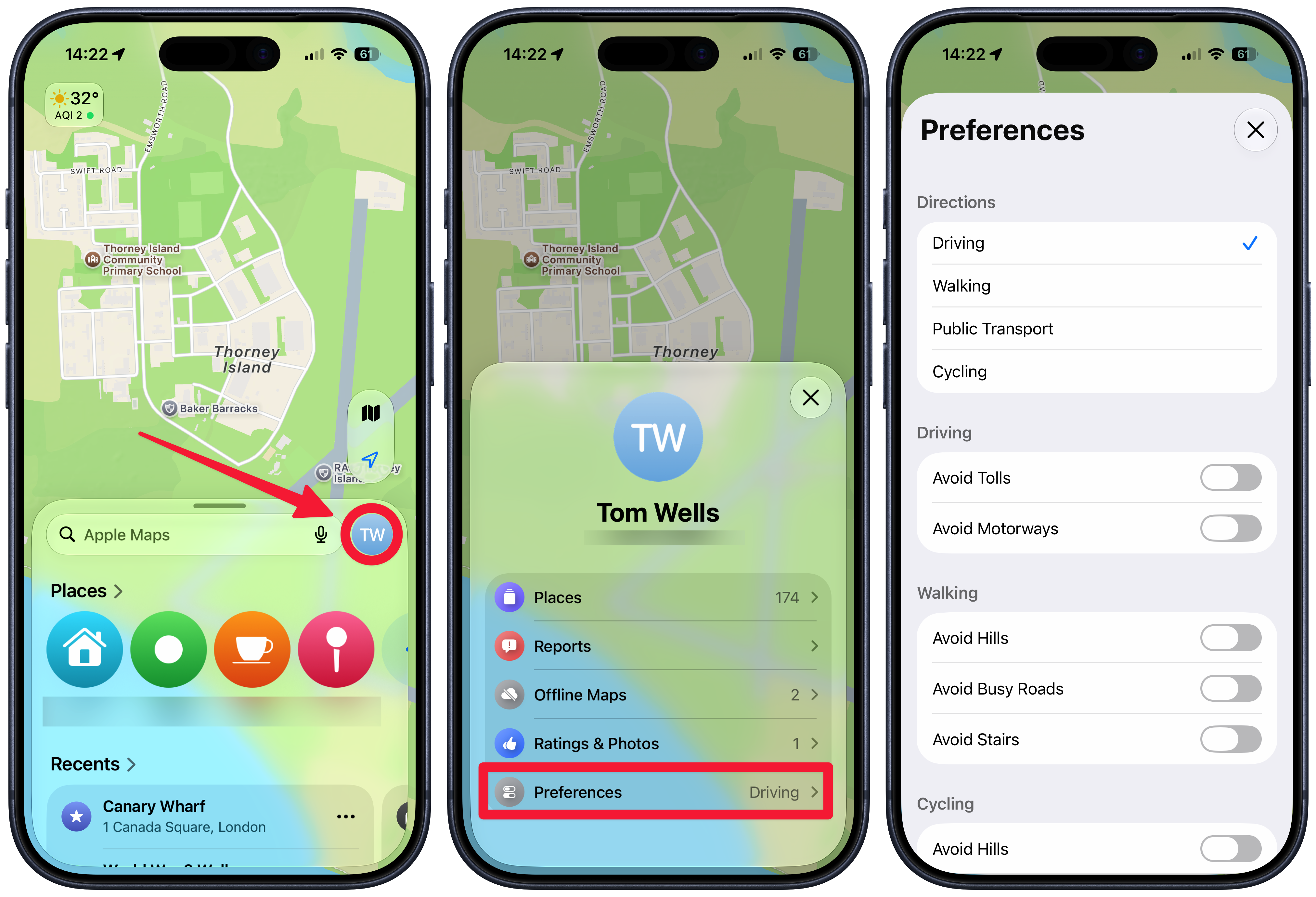
Did you know, if you tap on your user profile in the Maps App, then choose Preferences, you can set all kinds of preferences about how you want to use Maps, like whether to avoid hills when walking, busy roads when cycling, and tolls while driving.