This week, your next iPhone is going to be a lot more expensive, the iPhone Air 2 is looking interesting, and Chinese students have broken an Apple sales record...
Your next iPhone is going to cost more.
Tim Cook doesn't tend to get ahead of bad news. Apple's outgoing CEO has spent 15 years carefully managing the company's messaging, rarely tipping his hand before a product launch and almost never pre-announcing anything that might spook customers. So when Cook sat down with The Wall Street Journal this week and said that Apple price increases are "unavoidable," it was worth paying attention. This wasn't a leak or an analyst's prediction. This was Apple's CEO saying it out loud.
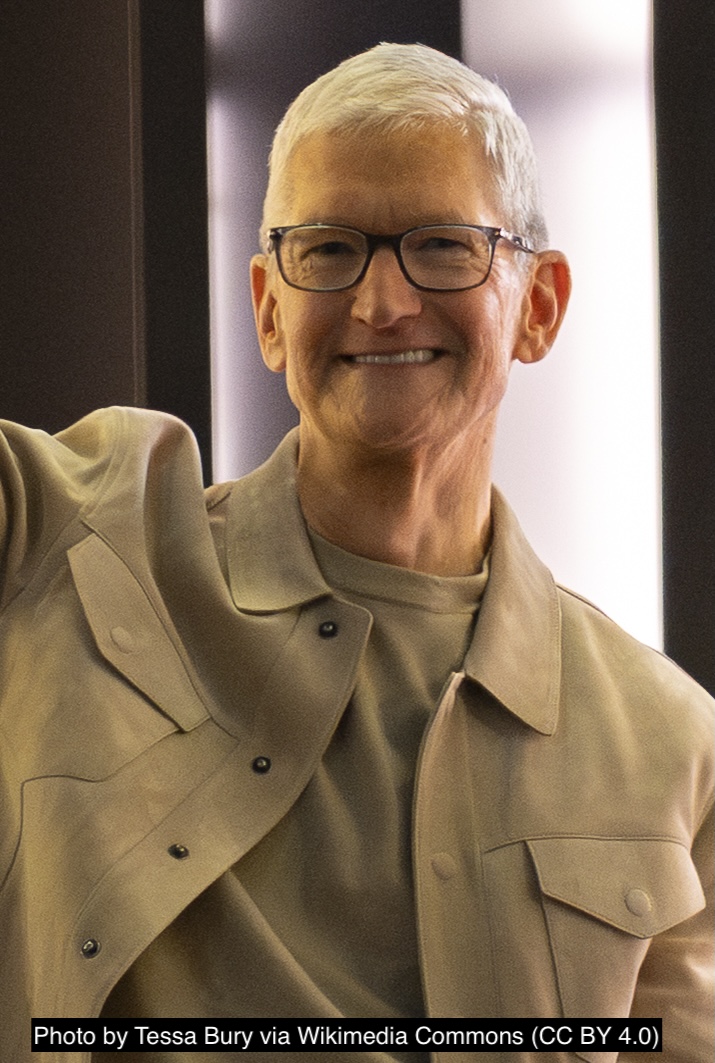
"We're doing our best to mitigate the huge increases that are being passed to us, and we've been trying to shield our customers from the increases, but the situation has become unsustainable," Cook said. He didn't specify which products would be affected first, or when, or by how much. But the direction of travel is unmistakably upward.
The cause is something we've been tracking in this newsletter for months: the global memory chip shortage. DRAM prices have surged by as much as 63% this year. NAND flash, the storage that holds your photos, apps, and everything else, has climbed by up to 75%. The reason is simple. AI data centres operated by Google, Microsoft, Meta, and Amazon are consuming memory at an extraordinary rate. Those four companies alone are expected to spend a combined $650 billion on data centre infrastructure in 2026, nearly triple what they spent in 2024. Chip manufacturers have responded by redirecting production towards the customers willing to pay the most, and right now, that's AI companies, not Apple. The result is that even a company with Apple's buying power is being squeezed.
So what does this actually mean for you? Let's start with the most immediate concern: the iPhone 18 Pro, which is expected to launch in September. Research firm TechInsights has calculated that if Apple wants to maintain its current profit margins while absorbing the higher component costs, it would need to raise the starting price of the iPhone 18 Pro by roughly $270/£270. That would push it from the current $1,099/£1,099 to somewhere around $1,299 to $1,399 depending on how much of the increase Apple decides to pass on. The Wall Street Journal's own estimate landed in a similar range. That's a significant jump, and it's not because of any fancy new feature. It's because the chips inside the phone cost more to buy.
Now consider the iPhone Ultra, Apple's foldable, which was already expected to be eye-wateringly expensive. Pre-shortage estimates had it starting at around $2,000/£2,000. If the Pro is going up by $200 to $300, it's reasonable to assume the Ultra will see a similar or even larger increase, given that a foldable requires more memory, more complex components, and a larger display. We could realistically be looking at a starting price of $2,300 to $2,500 for Apple's first foldable. At that price point, you're not buying a phone. You're buying a laptop. And Apple is going to need to make an extraordinarily compelling case for why anyone should spend that kind of money on a device that, based on the leaks we've seen, doesn't even have MagSafe.
On the Mac side, we've already seen the early signs of what's coming. The Mac mini's $599/£599 base model has been removed from the website. Mac Studio configurations have been disappearing for months. Storage upgrade prices have already gone up by $400. As and when the new M5 Mac Studio and M5 Mac mini arrive later this year, potentially at an October event, it would be surprising if they didn't carry higher starting prices than their predecessors. The same goes for any new MacBook models. Microsoft has already raised the price of its Surface lineup by roughly 50% compared to the previous generation, citing the same memory shortage. Apple may try to be less aggressive than that, but increases are coming.
The timing of all this is particularly painful. September 2026 is already shaping up to be an unusually premium-heavy iPhone launch, with the Pro, Pro Max, and Ultra arriving together and no standard iPhone 18 or iPhone 18e until spring 2027. If you want a new iPhone this autumn, your cheapest option was already going to be the Pro. Now it's going to be a more expensive Pro. For a significant chunk of Apple's customer base, that's going to be a tough pill to swallow.
What makes this moment feel different is that Cook chose to say it publicly, weeks before any new products have been announced. Apple almost never does this. The fact that he felt the need to lay the groundwork now suggests the increases are going to be noticeable enough that Apple wanted to set expectations early rather than let the sticker shock speak for itself in September. It also, notably, lands as one of the last major decisions of Cook's tenure. John Ternus takes over as CEO on 1 September, which means it will be Ternus, not Cook, who has to stand on stage and sell these higher-priced products to the world. Whether that's coincidence or careful timing is a question I'll leave you to answer for yourselves.
Is any of this Apple's fault? Not really. Every electronics company on the planet is dealing with the same pressures. The smartphone market is projected to shrink by 15% this year. Game consoles are getting more expensive. The Steam Deck just went up by 50%. Even the car industry is feeling the squeeze. When the companies building AI infrastructure are willing to pay whatever it takes for memory chips, everyone else gets pushed to the back of the queue. Apple has held out longer than most, absorbing the cost increases for the better part of a year. But there's a limit to how long even a $4 trillion company can do that, and we've apparently reached it.
The big question now is how Apple handles it. A blanket $270 increase across the board would be a disaster. A more nuanced approach, modest base price increases combined with higher storage tier pricing and perhaps some creative bundling, would be much easier to stomach. Apple has always charged premium prices for storage upgrades that cost it a fraction of what customers pay. That margin has historically been enormous, and it gives Apple some room to absorb costs at the base level while making up the difference higher up the configuration chain.
Either way, if you've been thinking about buying a new Mac, iPad, or iPhone, the current pricing might be as good as it gets for a while. And if you're holding out for September, start adjusting your expectations now. The days of the $1,099 iPhone Pro might be over.
You watch the videos? But how much do you remember?
If you're anything like most of my audience, you've probably watched dozens of iPhone tips videos over the years. Maybe even hundreds. You've bookmarked a few, saved some to Watch Later, maybe even scribbled a note or two. But when you actually need that tip, when you're standing there trying to remember how to do that thing you definitely saw in a video once, it's gone. You can't remember which video it was in, what it was called, or whether it was even on my channel or someone else's.
That's not a you problem. That's a content problem. YouTube is brilliant for discovery, but it's terrible for reference. Tips get buried in ten-minute videos, mixed in with ads and sponsor reads, and once you've scrolled past them, they're effectively lost. You'd have to rewatch the entire video just to find the one thing you needed.
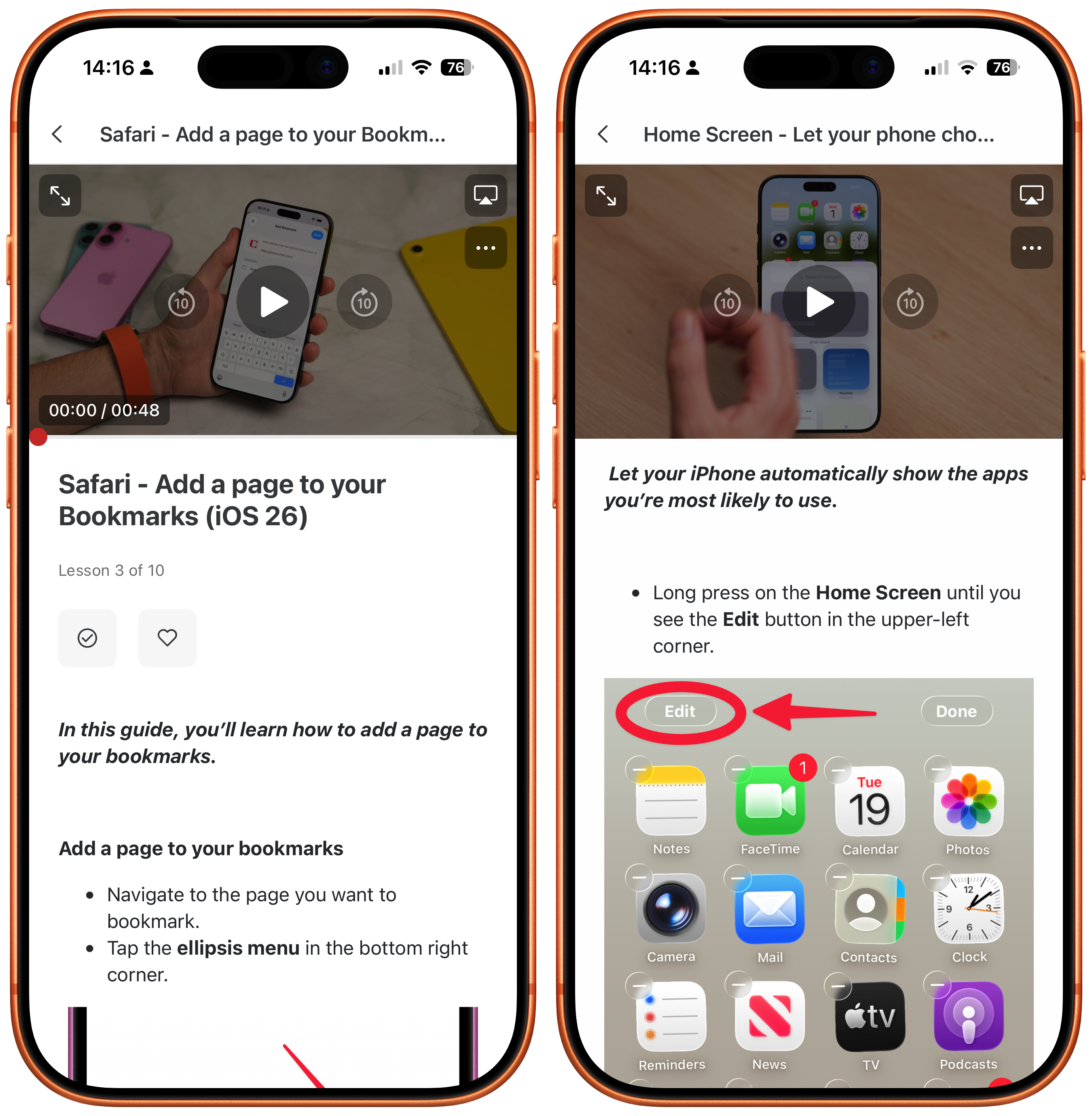
iPhone Essentials Plus was built to solve exactly this. It's not another set of videos to watch and forget. It's a structured, searchable library of over 250 lessons (and growing), each one focused on a single topic, with a video walkthrough, a written step-by-step guide, and a downloadable PDF you can keep. The tips you've half-remembered from a YouTube video, organised and accessible whenever you need it.
The course is updated regularly as Apple releases new features, so it stays current with your phone. I've also recently added ad-free, sponsor-free versions of some of my recent YouTube videos as bonus content, plus a brand new standalone course called iPhone Battery Made Easy is now included at no extra cost.
It's a one-time purchase, no subscription, with lifetime access. If you've ever thought "I know I saw a tip for this somewhere," this is the answer.
Purchase Links;
- iPhone Battery Made Easy
- iPhone Essentials Plus
- Mac Essentials Plus
- iPhone & Mac Essentials Plus Discount Bundle
The iPhone Air 2 might make people want to actually buy it
Bloomberg's Mark Gurman reported this week that Apple is pressing ahead with a second-generation iPhone Air, codenamed V62, targeting a spring 2027 launch alongside the standard iPhone 18. The two headline upgrades address the two biggest complaints about the original: it's getting a second rear camera and improved battery life.
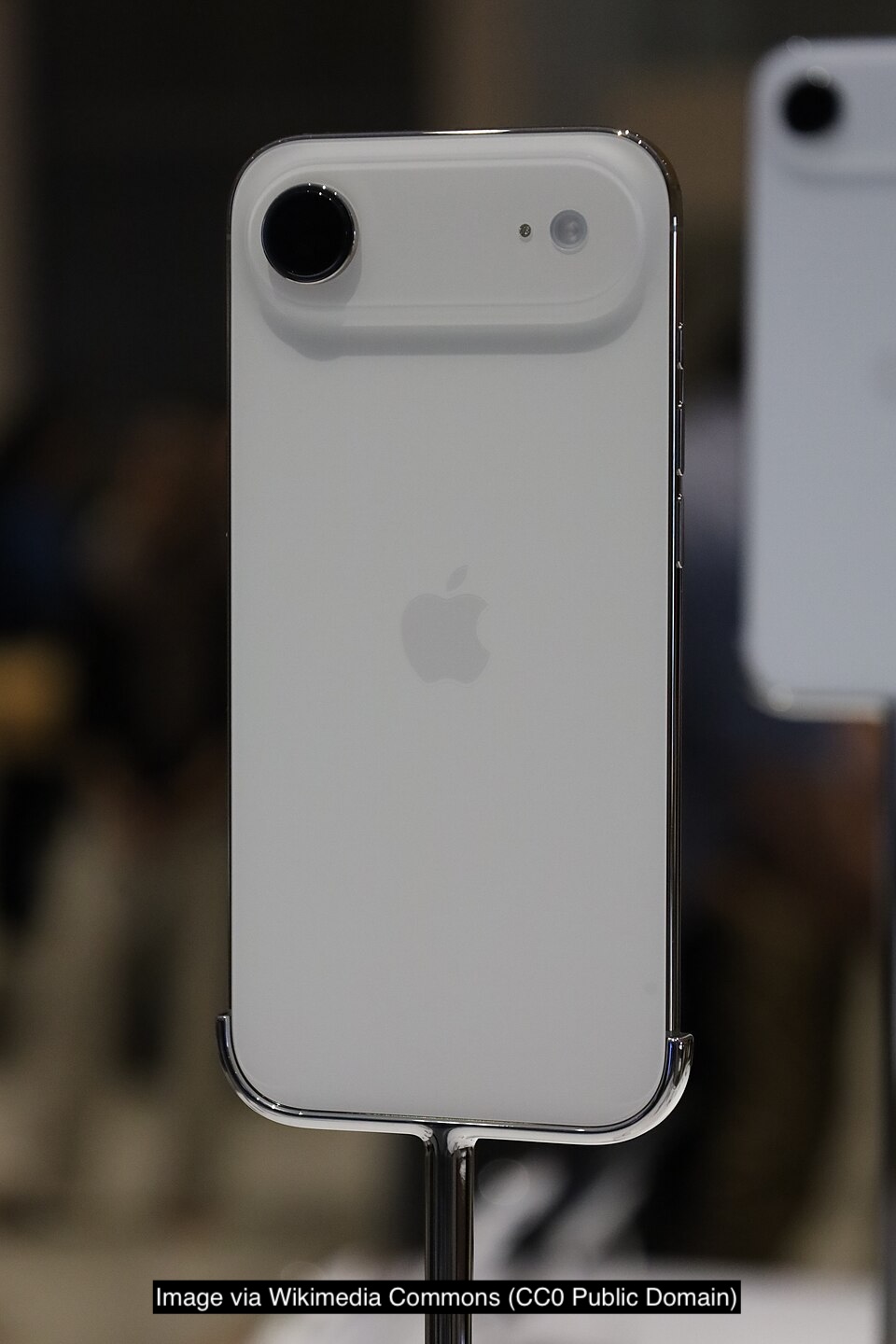
The camera addition is an ultrawide lens sitting alongside the existing 48-megapixel main sensor, which is a meaningful step up from the single-camera setup that launched last year. According to Gurman, the solo camera was the most common customer complaint about the device, and it's easy to see why. At $999/£999, you'd expect at least the same dual-camera setup that the standard iPhone 17 offers. The battery improvements are less clear. Apple's engineers are reportedly working on better endurance, but whether that comes from a physically larger cell, chip efficiency gains from the new A20 Pro processor, or a thinner display technology that draws less power remains to be seen. Given that the Air's entire identity is built around being impossibly thin, cramming in a bigger battery without adding thickness is a genuine engineering challenge.
The original iPhone Air captured just 6% of US iPhone buyers in its launch quarter, compared to 49% who chose a Pro model. Those aren't great numbers, and there was real speculation that Apple might quietly kill the line. Instead, it's doubling down, which suggests Apple believes the concept is right even if the first execution fell short.
On a personal note, the iPhone Air is the phone I want to use every day but don't. I've picked it up, I've used it, and the weight and feel of it in your hand is genuinely lovely. It's the kind of phone that makes your Pro feel like a brick. But I keep going back to the Pro for one reason: the telephoto lens. When you've got young kids running around at the park or the beach, being able to grab a quick zoom shot from a distance without getting in their face is something I use constantly. The Air doesn't have that, and the Air 2 won't either. The ultrawide addition is welcome, but until Apple finds a way to fit a telephoto into that thin chassis, the Air remains a phone I admire from a distance rather than one I carry every day.
If you're less bothered about zoom and more interested in having the lightest, thinnest iPhone Apple makes with a better camera and longer battery life, spring 2027 is looking like it might be worth the wait.
32 Million iPhones, all in the name of revenge...
While Tim Cook was telling The Wall Street Journal that price increases are "unavoidable," something remarkable was happening on the other side of the world. In China, Apple just recorded over 32 million iPhone 17 activations, a new record, driven in large part by millions of students engaging in what's known as "revenge spending."
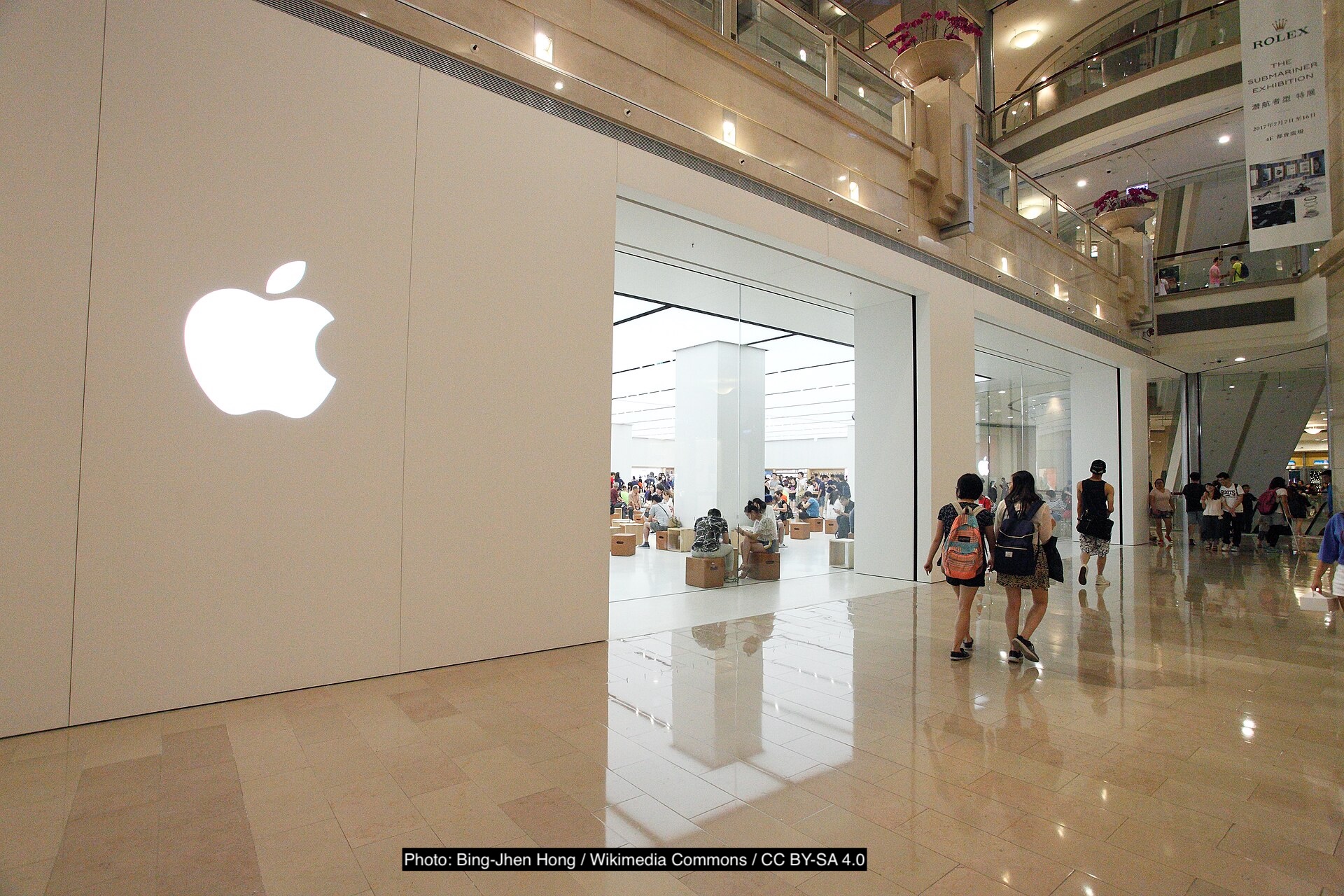
Here's the context. Every year, Chinese students sit the gaokao, the country's notoriously gruelling college entrance exams. Months of preparation mean no social life, no distractions, and crucially, no spending. When the exams end, students flood shopping centres and spend everything they've been holding back. This year, Apple was ready for them. The company introduced significant price cuts across the iPhone 17 lineup ahead of China's 618 shopping festival, and the results have been extraordinary. Apple stores across the country are reportedly packed to the rafters. Apple has reclaimed the number one spot in the Chinese smartphone market. And Huawei? Reports describe Huawei stores sitting visibly empty while the Apple store next door overflows.
That last detail is particularly striking. There's been a long-running narrative in China about patriotic consumers choosing domestic brands like Huawei over American companies. What this data suggests is that younger Chinese shoppers are increasingly making decisions based on pragmatic value rather than brand loyalty. Students are reportedly citing Apple's superior resale value, long-term reliability, and software support as reasons for choosing iPhone. When you've just survived the most stressful exams of your life and you're spending your own money, you want the phone that's going to last, hold its value, and just work. Right now, for millions of Chinese students, that's an iPhone.
The irony of the timing is hard to miss. Apple is simultaneously experiencing record demand in its biggest growth market while preparing to raise prices globally. If iPhone 18 Pro does launch at $200 to $300 more than the current model, you have to wonder whether that will cool this momentum, particularly among price-sensitive student buyers who were drawn in by discounts in the first place. Apple will be hoping that by the time the next gaokao finishes, iPhone 18 Pro has enough to justify the premium. It's a delicate balance.
You also have to wonder whether Apple would ever be bold enough to lean into this from a marketing angle. "Finished your exams? You deserve an iPhone" practically writes itself. But acknowledging that your product is the go-to revenge purchase for stressed-out teenagers probably doesn't quite fit the carefully curated Apple brand image. Some marketing campaigns are better left in the imagination.
Tip of the week
Did you know you can set a timer straight from Control Centre without having to go into the Clock app? So long as you already have the timer in your Control Centre, just long-press on the timer button and use the slider to set your duration, then press the green button to start.