This week, it's all about new Apple products!
Apple's first product-dump of the year is upon us!
This week Apple did something it doesn't do very often, at least not this early in the year. Rather than the usual drip of minor updates quietly appearing on the website one Tuesday morning, it delivered a full product blitz across three consecutive days, covering everything from an updated iPhone to a brand new category of Mac. It was the kind of launch week that felt more like a September keynote than a March press release, and frankly, it caught a lot of people off guard.
The format itself was a little unconventional, albeit one that Apple has used more frequently in recent years. Instead of a streamed event, Apple staged invite-only in-person experiences in New York, London, and Shanghai, with announcements dropping each morning via press release. No Tim Cook on stage, no dramatic "one more thing." Just a steady stream of product pages going live and YouTube videos launching.
By the end of the week, we had a new iPhone 17e, updated iPad Air and MacBook Air, new MacBook Pro models, two new Studio Displays, and the headline act: the MacBook Neo, Apple's first genuinely affordable laptop. That's a lot to take in, and not all of it is as exciting as the announcement cadence might suggest.
In this week's newsletter, we're going to work through everything Apple announced, share some honest thoughts on where each product actually lands, and cut through the launch-day noise.
iPhone 17e – Apple Corrects a Few Mistakes, and Not Much Else
If you were hoping the iPhone 17e would be a dramatic step forward for Apple's entry-level iPhone, I'm going to save you some time: it isn't. This phone is more similar to the 16e than most people were expecting, and that's not entirely Apple's fault. Expectations had simply crept up. There was genuine hope in some corners that Dynamic Island might finally make its way down to the e-series, even if ProMotion stayed out of reach. Instead, the notch remains, the display is largely unchanged, and the overall design is essentially identical to what came before.
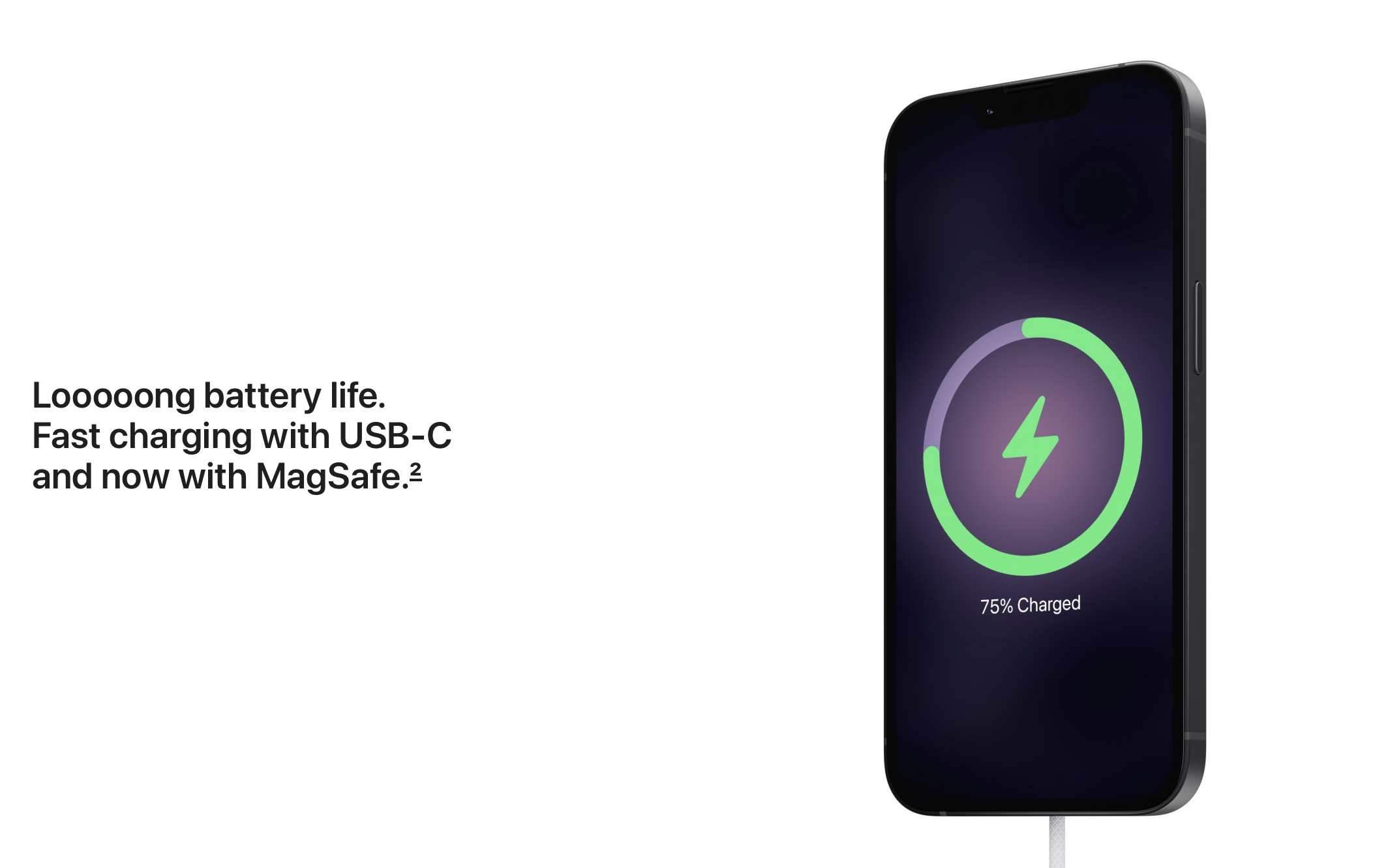
The chip upgrade is there, but honestly, it doesn't feel like the most meaningful part of this story. The 16e was already plenty powerful for the people likely to buy this phone, so the A19 is more of a nice-to-have than a headline feature. What actually matters more is the addition of MagSafe, which was a genuinely strange omission on the 16e. Looking back, it's hard to understand why Apple left it out in the first place. Its inclusion now feels less like a new feature and more like Apple quietly correcting a mistake.
The camera has been improved too, with an updated Portrait mode pipeline that saves depth information automatically, letting you adjust focus and background blur after the fact. It's a welcome addition, though I'll be honest: if photography is a real priority for you, you probably weren't shopping for an e-series iPhone to begin with. The people who care most about their camera tend to gravitate toward the higher-end models, and that's unlikely to change here.
Where this launch does make a strong case for itself is on value. Base storage has doubled to 256GB at the same $599/£599 price as last year, which is a meaningful improvement. You're getting more phone for the same money, and MagSafe opens up a whole ecosystem of cases, wallets, and accessories that 16e owners were locked out of.
The question I keep coming back to, though, is how well this will actually sell. Apple's most expensive iPhones consistently dominate its own sales figures, and carrier payment plans have a way of making a £1,000+ iPhone feel surprisingly manageable on a monthly basis. Whether a $599/£599 phone that looks nearly identical to its predecessor can carve out meaningful ground remains to be seen. Apple knows the dynamics here, and I suspect they're not losing too much sleep over it.
Your iPhone is WAY more capable
You search for something simple on your iPhone and twenty minutes later you're three videos deep, none of them quite right, and the one that looked promising was made in 2019 for a model you don't even own. It's exhausting. And it shouldn't be this hard.
Maybe you've had your iPhone for years and there's a nagging feeling you're missing something. Shortcuts you don't know. Features buried in menus you've never opened. Time being lost every day to tasks your iPhone could handle in seconds, if only someone would just show you clearly, once.

iPhone Essentials Plus is a comprehensive training portal with more than 200 lessons covering everything your iPhone can actually do. No fluff, no filler, no rabbit holes. Just practical skills you'll use from day one, with fresh content added regularly so it's always current.
Every lesson gives you three ways to learn: a short video walkthrough, a step-by-step guide with screenshots, and a downloadable PDF for quick reference. On the commute, at your desk, or whenever you've got five minutes, it fits around you. And because everything lives in one place, you'll never lose track of where you saw that tip.
No ads, no sponsors, no subscription traps. One payment, lifetime access.
Got a Mac too? Mac Essentials Plus follows the same approach. Grab it separately or bundle both for the best value.
The tips you've been meaning to learn aren't going to learn themselves. Now's a good time to start.
Purchase Links;
- iPhone Essentials Plus
- Mac Essentials Plus
- iPhone & Mac Essentials Plus Discount Bundle
- iPhone & Lifetime PDF
- Mac & Lifetime PDF
- iPhone, Mac & Lifetime PDF
MacBook Air, iPad Air, and MacBook Pro
I'll be straightforward with you about this batch of updates: if you were already planning to buy one of these devices, this week made that decision a little better. If you weren't already considering them, nothing here is going to change your mind. That's not a criticism exactly. It's just an honest read of what's on offer.
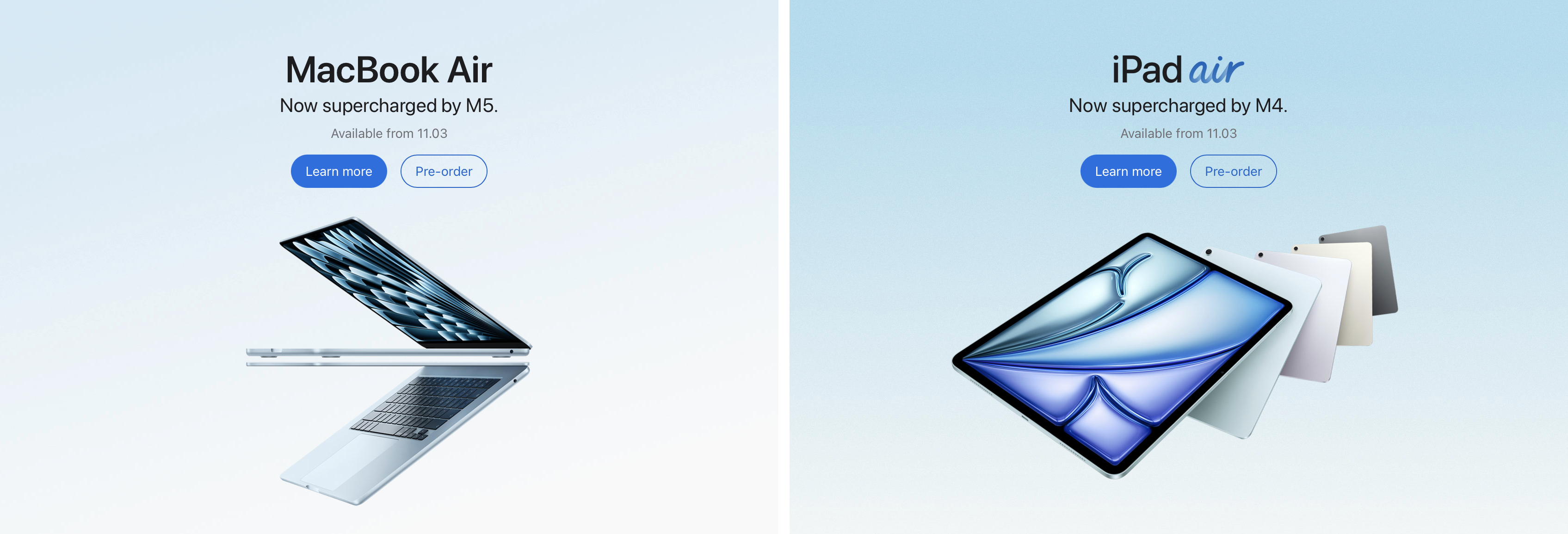
The MacBook Air moves to M5 and the iPad Air steps up to M4. Both are chip bumps. The designs haven't changed, the displays haven't changed, and the core experience is going to feel very familiar to anyone who already owns a recent model. Apple does this every year, and every year it works perfectly well for people in the market for these devices. It's just important to set expectations before getting swept up in launch-day coverage.
The iPad Air does gain a welcome jump to 12GB of RAM, up from 8GB, alongside improved connectivity via Apple's newer C1X modem. Apple has also held the price steady at $599/£599 for the 11-inch model, which is slightly more impressive than it sounds given recent RAM price increases. What's slightly odd is that the base iPad got nothing this week. There was a natural opportunity to refresh the whole entry-level lineup and Apple passed on it. Whether that's coming later in the year or the current model just runs a little longer, I'm not sure.
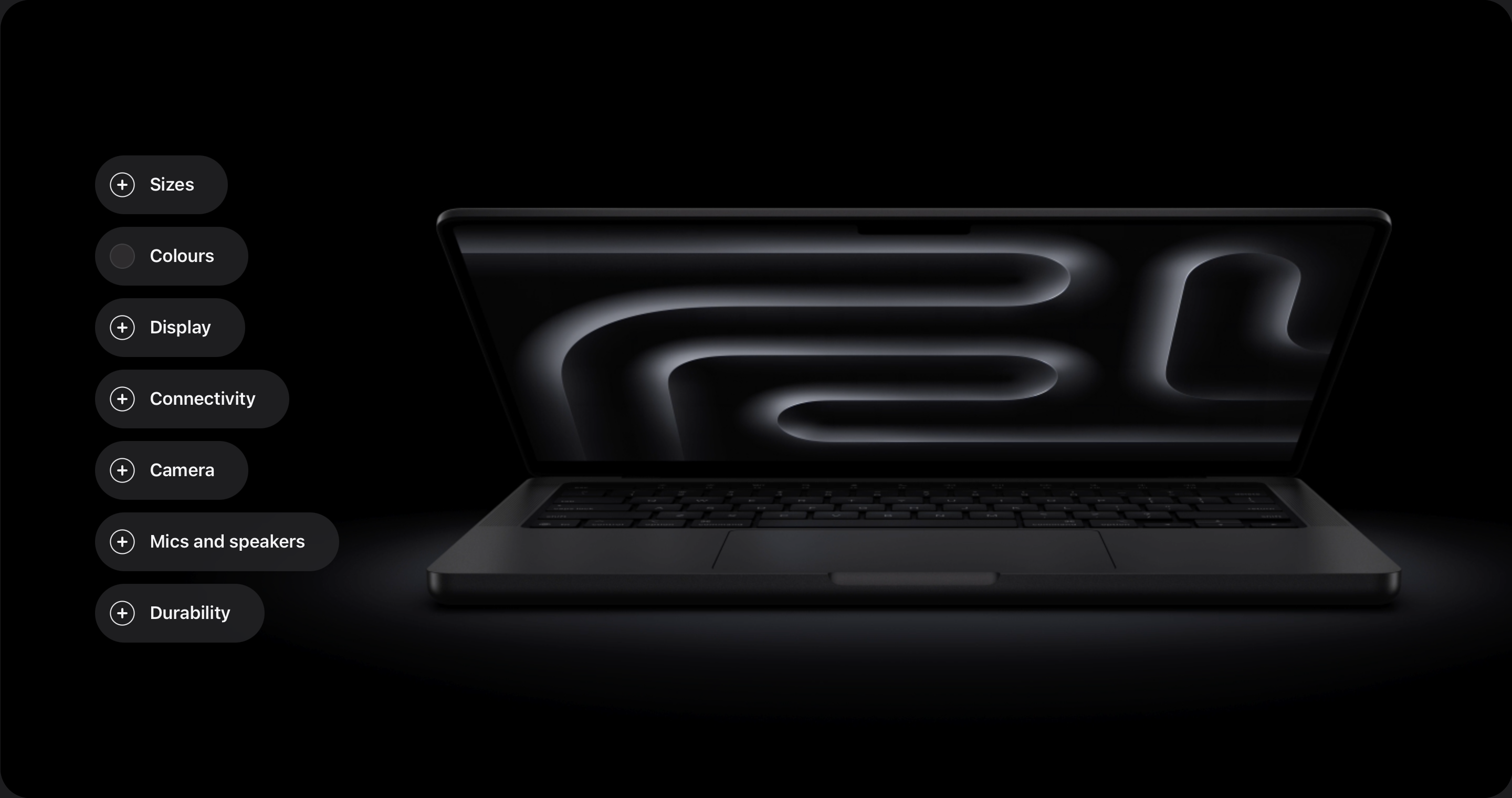
The MacBook Pro is the most interesting of the three, and I think it deserves a bit more credit than it might get alongside the MacBook Neo announcement. The M5 Pro and M5 Max are genuine chip improvements, and the jump to 1TB of base storage is something that should have happened a while ago. Computers at this price point really ought to ship with that as standard. Starting at $2,199/£2,199, you are paying more than before, but you're at least getting more out of the box.
One thing I do want to flag, because it genuinely irritated me: MacBook Pro models in the UK and EU no longer ship with a power adapter. On a laptop that can cost well into the thousands of pounds, that feels like a kick in the teeth. It's the kind of decision that saves Apple a relatively small amount of money while generating a disproportionate amount of frustration among people who've just spent serious money on a computer. Politics, I assume.
As always, treat the headline performance numbers with some scepticism. The biggest percentage gains Apple cites tend to apply to specific, often niche workloads rather than the everyday tasks most people use their Macs for. Real-world differences between M-series generations are usually more modest than the marketing suggests. That said, if you're coming from an Intel Mac, this is a genuinely great time to upgrade. If you're on M1 or M2 and starting to feel it, the case is reasonable. If you're already on M3 or newer, there's very little here that should tempt you.
New Displays - Both Disappointing and Interesting
Apple also announced two new displays this week, and my reaction to both is more mixed than I'd like it to be.
The regular Studio Display has been refreshed, and I'll be honest: it doesn't feel like much of a refresh. The 27-inch 5K panel is unchanged, the 600-nit brightness is unchanged, and the starting price of $1,599 is unchanged. What you do get is Thunderbolt 5 connectivity, which improves downstream speeds and makes daisy-chaining possible, and an updated 12MP camera with Desk View support. That's it. If you were hoping for a higher refresh rate or meaningfully improved HDR performance at this price, you'll be waiting a while longer.
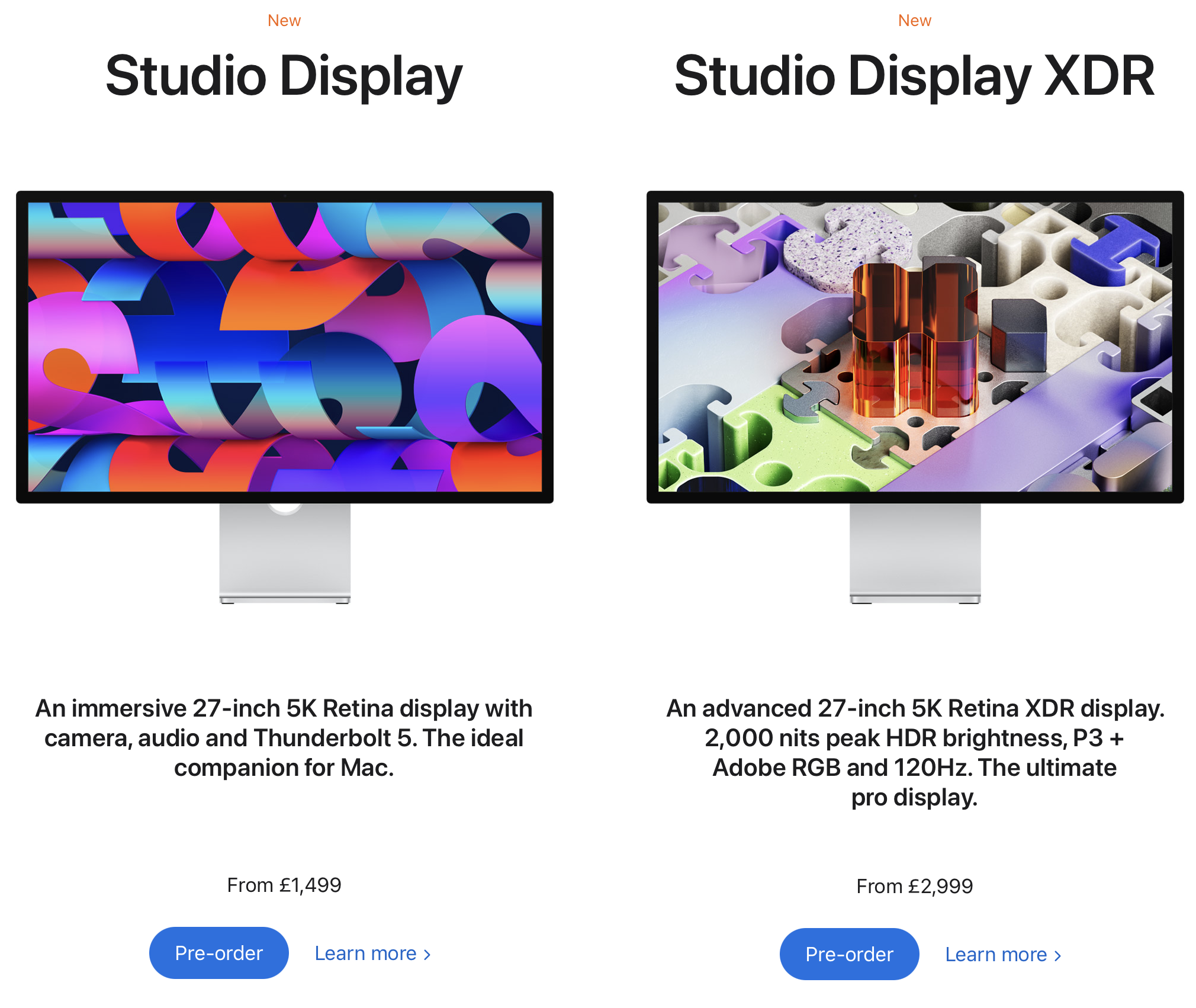
The more interesting announcement is the Studio Display XDR, and this is where things get complicated. It's a new 27-inch display with a mini-LED backlight, 120Hz refresh rate, Adaptive Sync, and 2,000 nits of peak HDR brightness -- a serious step up in display quality. It starts at $3,299, which is steep, though it does include a height-adjustable stand as standard, which is more than can be said for its predecessor.
That predecessor is the Pro Display XDR, which Apple has quietly discontinued this week. If you visit the Pro Display XDR product page, it now redirects to the Studio Display XDR. As someone who owns one and had been genuinely hoping for a second-generation version, that stings a little. The Pro Display XDR was a 32-inch panel -- larger, and in many ways the more serious professional tool. The Studio Display XDR is not a direct replacement so much as it is a reframing of what Apple thinks this tier of display should be. Whether it earns that $3,299 price tag is something I intend to find out. I'll be picking one up to sit alongside my existing Pro Display XDR and Studio Display, so I'll report back properly once I've had time with it.
MacBook Neo Might Be One of Apple's Most Important Launches in Years
I want to be careful not to overstate this, but I genuinely think the MacBook Neo could be one of the most significant product announcements Apple has made in a long time. Let me explain why.

Apple has tried budget Macs before, and it has never really worked. The MacBook Air has carried the "entry-level" label for years, but starting at $1,099/£1,099, it was never truly a budget device. It was just Apple's least expensive laptop. That's a very different thing. What the MacBook Neo does, at $599/£599 (or $499/£499 with education pricing), is create a genuine entry point into the Mac ecosystem for people who could never previously justify the cost. That hasn't existed before, at least not at this price, and that matters.
The A18 Pro chip at the heart of it is the same processor found in the iPhone 16 Pro, and benchmarks put its performance broadly in line with an original M1 MacBook Air. That might sound modest until you remember that the M1 Air was a remarkable machine that remains genuinely capable today. For the things this device is designed to do (web browsing, writing, video calls, spreadsheets, streaming) it will handle everything comfortably. Apple knows exactly who this is for, and they haven't tried to hide it. The marketing imagery is almost entirely students in lectures and libraries, and Microsoft Office apps feature prominently throughout. That last detail is smart. Those are the tools students actually use, and Apple highlighting them rather than pushing its own alternatives shows a rare bit of self-awareness about the audience they're trying to reach.
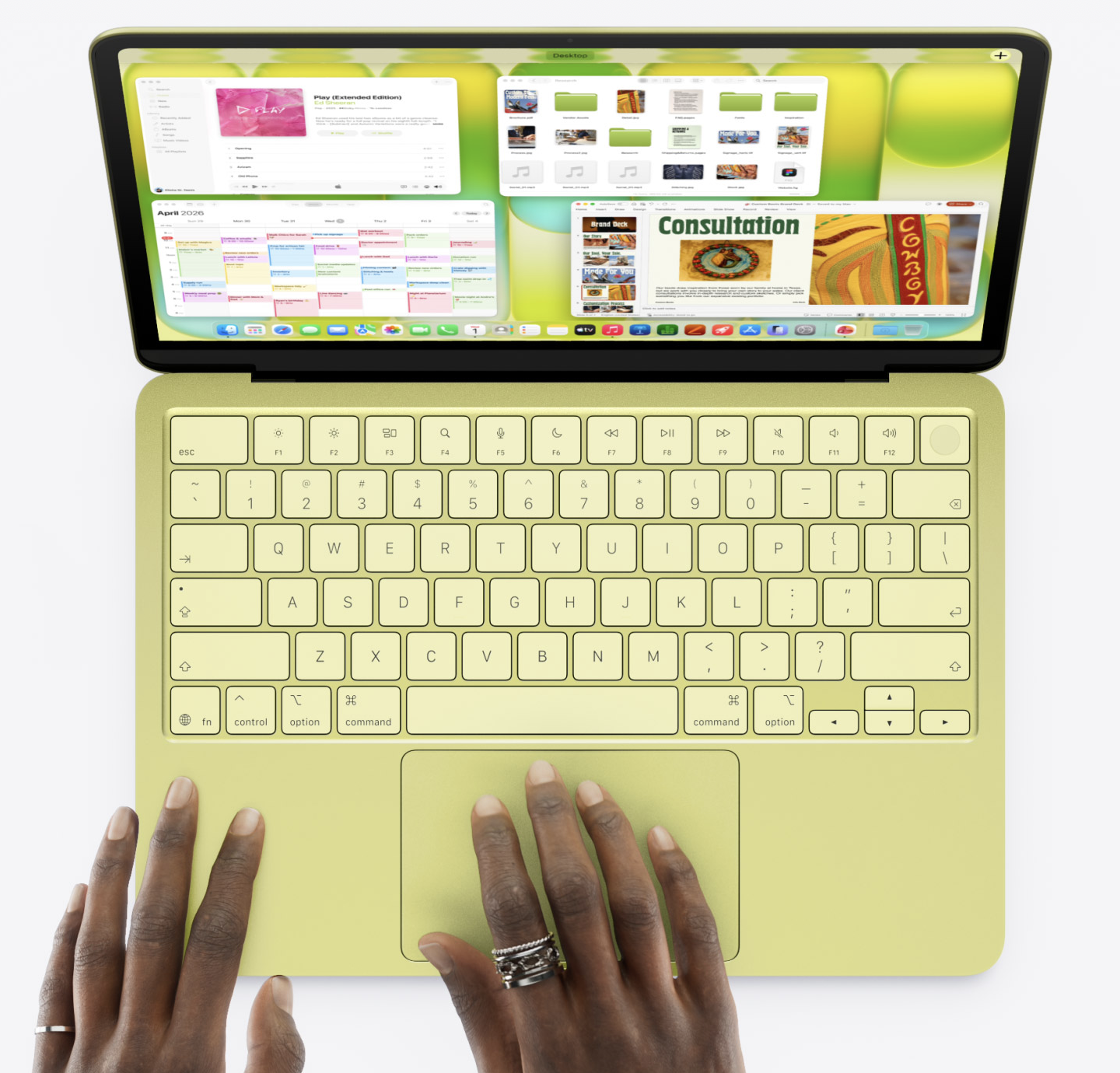
The colour options are genuinely fun too: silver, indigo, blush, and citrus. The colour-matched keyboard is a lovely design touch that gives the Neo a personality the MacBook Air's more restrained palette doesn't quite match. It's a product that feels designed to appeal, rather than simply designed to be functional. Although I'll say this: the name "Neo" does nothing for me. It's not terrible, but it's not particularly Apple either. A minor gripe, but there it is.
There are real trade-offs worth flagging honestly. The base 256GB model doesn't include Touch ID, which means stepping up to the 512GB model at $699/£699 if you want fingerprint authentication. The two USB-C ports look identical but run at different speeds (one USB 3, one USB 2) which is going to catch people out. And there's no backlit keyboard, no Force Touch trackpad, and no MagSafe. These are genuine compromises, and they're how Apple keeps the price where it is.
But none of that undermines the bigger picture. People consistently spend more on smartphones than on laptops, because phones are with us every hour of the day and that perceived value shapes how much we're willing to pay. A $599/£599 Mac doesn't face the same psychological headwind that a budget iPhone does, which might go a long way to explaining why Apple has struggled to sell cheap iPhones while potentially succeeding with a cheap Mac. Add in the ecosystem pull of AirDrop, iPhone Mirroring, Handoff, and iMessage on a proper keyboard, and you have something a Chromebook simply can't offer at any price.
I'm genuinely excited about this one. It won't be for everyone, but it opens a door that's been closed for a very long time.
So that's everything from what turned out to be a genuinely eventful few days. A new iPhone, a refreshed iPad, updated MacBooks, two new displays, and a brand new product category. Not every announcement landed with the same weight, but taken together it's one of the most substantial product weeks Apple has put together outside of the autumn.
My honest take? The MacBook Neo is the story of the week, and possibly the story of the year when we look back at 2026. The display updates are more interesting than they might first appear, even if the loss of the Pro Display XDR stings. And the rest of the lineup does what it always does: moves the chips forward, keeps the designs familiar, and gives people already in the market a slightly better reason to buy.
As for what's coming next: I have an iPhone 17e, a Studio Display XDR, and a MacBook Neo all arriving on Wednesday. I'll be spending time with all three and sharing my proper, hands-on thoughts in next week's newsletter. I'm also planning to make some videos covering each of them, so keep an eye on the channel if you want to see how they hold up in real-world use rather than just on a spec sheet.
Tip of the week
Did you know, you can quickly jump into many of the Camera App's main settings simply by long-pressing on the App Tile from the Home Screen. You can then choose options like Selfie, Video and Portrait.