This week, Apple may be outsourcing its AI efforts, sticking an iPhone chip inside its next MacBook, and going all-in on Vision hardware.
Apple may outsource their AI efforts
After several weeks of relative quiet from Apple following WWDC, things are definitely starting to pick up again, especially when it comes to the Apple rumour mill. And while there are a few product-related stories floating around this week, the most interesting conversation by far centres on Apple’s ongoing artificial intelligence dilemma.

According to multiple reports, Apple may now be looking to outsource the core foundation of its AI model for Siri, rather than continuing to build it entirely in-house. If you’ve been reading this newsletter for a while; or you follow Apple tech more broadly, this won’t come as a huge surprise. I’ve written at length about the company’s failure to deliver on the many promises made at WWDC 2024 regarding Siri. But even so, the idea that Apple might now be reaching out to companies like OpenAI, makers of ChatGPT, or Anthropic, the creators of Claude, suggests that things behind the scenes may be worse than we thought.
Now, the true state of play at Cupertino is known only to Apple employees, who work behind tight layers of secrecy. But if these partnership talks are as serious as they seem, it could be the clearest sign yet that Apple’s ambition to build a world-class AI assistant entirely on its own might no longer be achievable; at least not on the timeline they were originally hoping for.
The biggest challenge here, I think, is time. Apple has, in recent years, become accustomed to taking essentially as long as it wants to deliver the products it’s working on. In a hardware-first world, that model made sense. Consumers were generally happy to wait, because the end result was usually best-in-class, and the pace of innovation elsewhere wasn’t exactly breakneck.
But artificial intelligence has completely changed the landscape. Companies like OpenAI, Google, and Anthropic are iterating at incredible speed, shipping new capabilities and improvements almost weekly. In fact, I read a stat this week that really brought that home; OpenAI has been releasing an update to ChatGPT at a rate of about once a week for all of 2025 so far.
That kind of pace feels like a rocket-powered jet ski compared to the achingly slow oil tanker that is Apple’s usual approach to product development. And while that deliberate pace has served them well in the past, it’s hard not to wonder whether it’ll be fast enough to compete in this new AI era.
From what we know so far, Apple’s internal models have been struggling to keep up. Several rounds of testing are said to have shown that Anthropic’s Claude is significantly outperforming Apple’s own models in key areas relevant to Siri, which likely explains why Apple is now considering bringing external partners into the fold.
According to reports, the company is in serious talks with both OpenAI and Anthropic about training custom versions of their language models, tailored specifically for Siri. Importantly, these models would still run on Apple’s private cloud infrastructure, giving them the chance to deliver cutting-edge performance without compromising on the privacy standards that have become Apple’s calling card.
And it’s that commitment to privacy that still gives Apple a potential edge. Many users remain willing to wait and see what the company delivers because, frankly, they’re the only major player making meaningful promises about data protection in the age of AI.
What remains unclear is whether these discussions are about replacing Apple’s in-house models entirely, or whether they’re simply a smart contingency plan. After all, one of the most consistent criticisms of Apple in recent years has been their slow response time, a reluctance to shift direction even when it becomes clear that others are moving much faster.
This could be their way of building a safety net. A backup strategy in case Siri’s in-house redevelopment continues to stall, especially with the company having (unofficially) promised something more substantial next year.
Personally, I’d love to see this kind of collaboration happen. It’s becoming increasingly clear that even with trillions in the bank, Apple doesn’t yet have the right combination of time, talent, and momentum to crack this on its own. And as someone who has used both ChatGPT and Claude extensively over the past year, I can absolutely see the potential in bringing that kind of power into the Apple ecosystem; provided they do it right, and privacy remains non-negotiable.
Enjoy tips videos, but struggle to remember everything?
Then you should definitely take a look at iPhone Essentials Plus. It’s my dedicated iPhone training portal with more than 150 lessons covering every aspect of your device, and I’m adding new content all the time.

Each lesson includes a short video, a step-by-step guide with screenshots, and a downloadable PDF, so no matter how you like to learn, you’re sorted. There are no ads, no sponsors, just straight-up content, and it’s all available for a one-time payment, no subscription.
And if you’re a Mac user, I’ve just launched a Mac version too. You can pick that up on its own or bundle it with the iPhone course to get the best value. If you’re interested, click the links below to get started.
Purchase Links;
- iPhone Essentials Plus
- Mac Essentials Plus
- iPhone & Mac Essentials Plus Discount Bundle
- iPhone & Lifetime PDF
- Mac & Lifetime PDF
- iPhone, Mac & Lifetime PDF
Your next Mac could be powered by an iPhone
I saw some really interesting news this week that could have a big impact on the lower end of Apple’s Mac lineup. According to multiple reports, Apple is working on a brand new budget-friendly MacBook, but instead of using one of its usual M-series chips, this one might be powered by the exact same A18 Pro chip found in the iPhone 16 Pro.
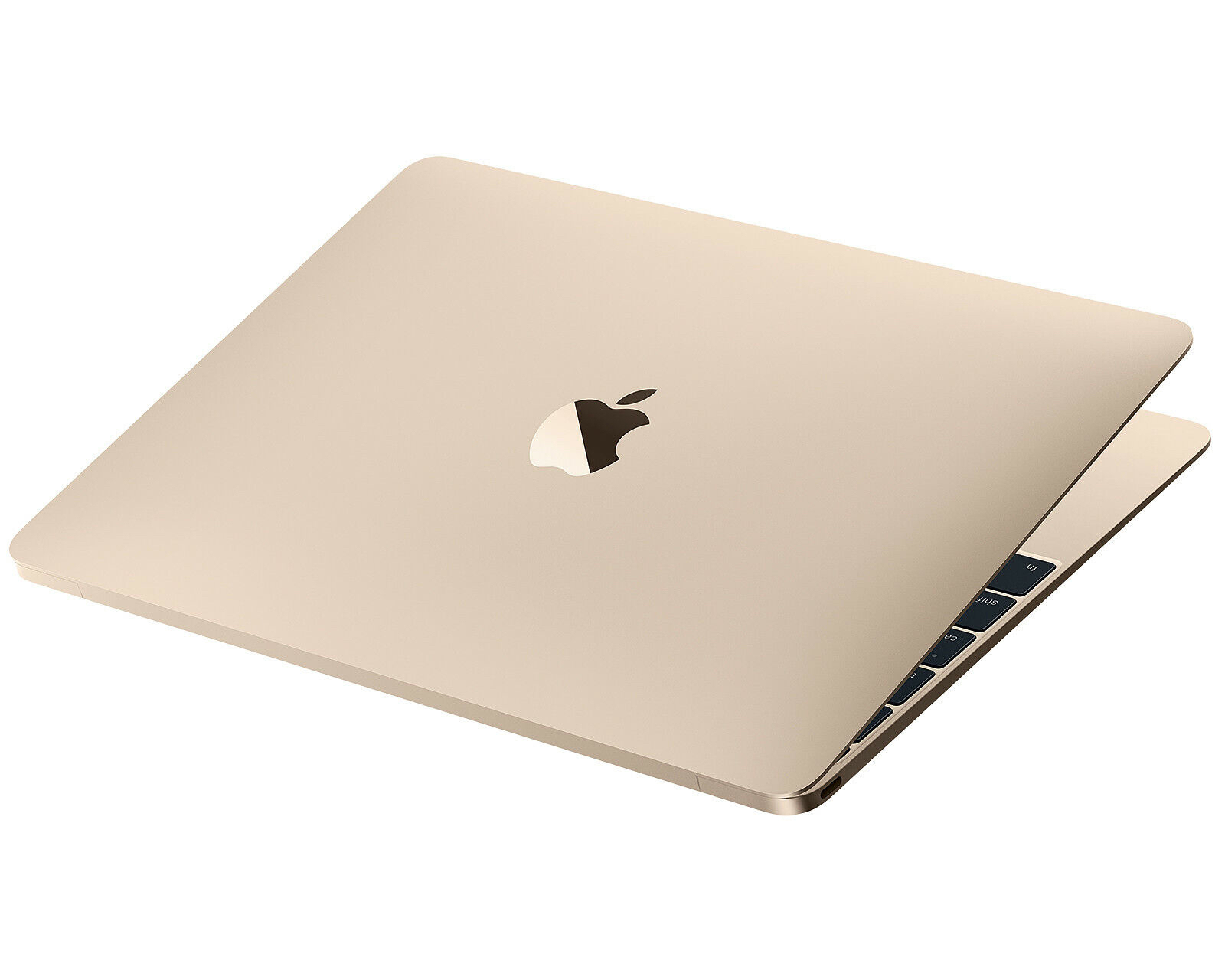
This would mark a pretty major shift for Apple, who until now has kept a clear distinction between the chips it uses in its phones and the ones it uses in its laptops. But if these rumours are accurate, it sounds like Apple is about to blur that line for the first time, and the result could be one of the most accessible MacBooks they’ve ever released.
The new machine is expected to feature a 13-inch display, similar in size to the MacBook Air, but will likely come in at a much lower price point. That’s because the A18 Pro chip, while not quite as powerful as Apple’s M-series chips, is still pretty nippy. In fact, it’s reportedly on par with the original M1, which was already a pretty remarkable leap forward when it first arrived back in 2020. I picked up an M1 MacBook Air back when it first launched, and it handled everything I do in my day job with ease.
In practical terms, this means the new MacBook should be more than capable of handling all the basics; web browsing, emails, documents, video calls, and even a bit of light photo editing or video watching. You’re not going to be using this machine for Final Cut Pro or running massive datasets in Excel, but that’s not really the point. This is clearly a play for a different audience.
What Apple gains by using the A18 Pro chip is pretty straightforward: reduced manufacturing costs, improved energy efficiency, and the ability to offer a thinner and lighter device, all of which help drive the price down and make the product more appealing for budget-conscious buyers.
It also opens the door for Apple to better compete in education markets, where Chromebooks and low-cost Windows laptops currently dominate. A stylish, entry-level MacBook with decent battery life and tight integration with the rest of the Apple ecosystem? That’s a compelling proposition for schools and families alike.
The machine is expected to come in a range of colours; silver, blue, pink, and yellow, and while it will likely have some limitations (lower memory caps, less support for external displays), that’s to be expected for a device in this category. The aim here isn’t to compete with the MacBook Pro; it’s to offer a clean, simple, affordable Mac experience for people who don’t need all the bells and whistles.
Mass production is reportedly scheduled to begin towards the end of this year or the start of next, with a launch expected in the first half of 2026. So we’re still a little way off from seeing this in the wild, but the direction of travel is clear.
Apple is widening the funnel. They’re looking for ways to bring more people into the Mac ecosystem, and this could be a very smart move to do just that. If they can pair solid hardware with the kind of seamless software experience Apple is known for, this could be the device that finally gives Chromebooks some serious competition.
Definitely one to keep an eye on, and I'll let you know when I hear more.
Looks like Apple IS taking Vision Pro seriously after all...
Rumours around Apple’s headset ambitions have been a bit all over the place lately. At one point, it looked like the company might be scaling back its efforts in this space, with reports of lukewarm Vision Pro sales and internal teams shifting focus. But more recent developments suggest the opposite might actually be true.
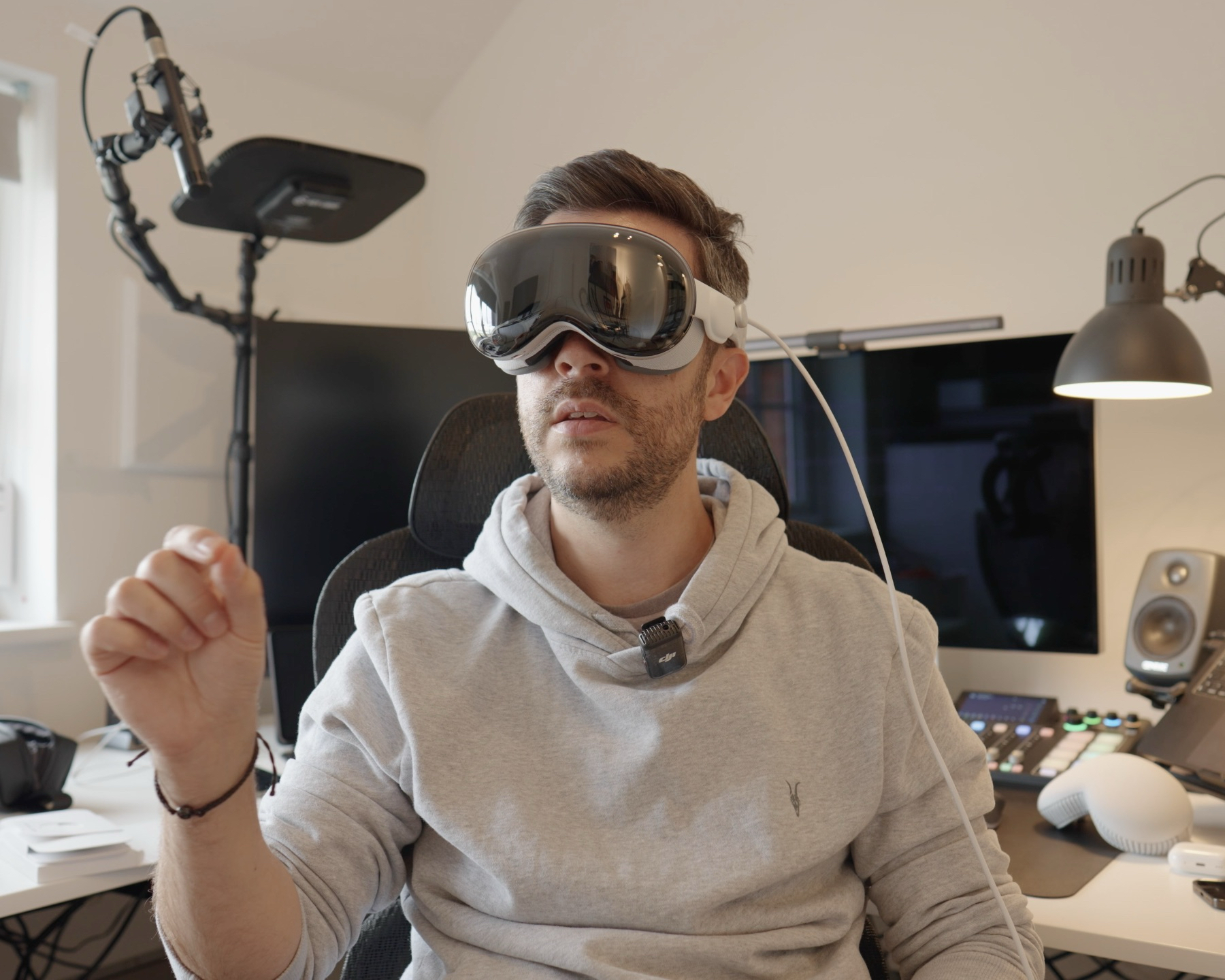
Not only has Apple continued to invest heavily in visionOS, but we’ve also seen a noticeable uptick in Vision Pro content from Apple themselves. Now, a new report claims that Apple has as many as seven headset-style devices in development across two product lines: the premium Vision series, and a more mainstream range of smart glasses.
If true, the Vision Pro was just the start. Apple is reportedly planning a multi-device roadmap for its premium headset line, with future models targeting lighter designs, better performance, and lower price points.
-
Vision Pro M5 (Q3 2025): A straightforward update to the current Vision Pro, this model will feature a faster M5 chip but keep largely the same industrial design. A spec bump rather than a rethink, designed to keep the platform fresh.
-
Vision Air (Q3 2027): This is expected to be Apple’s attempt at a more affordable Vision experience. It’ll be 40% lighter, use cheaper materials like plastic and magnesium, and swap out Apple Silicon for an iPhone-class chip. Fewer sensors, but a much lower price. Think: a version of Vision for the rest of us.
-
Vision Pro 2 (2028): A full redesign that addresses key concerns around weight, comfort, and accessibility. It’s expected to be more affordable than the original and significantly easier to wear for long periods of time. If the first model was a developer tool, this is aimed squarely at consumers.
Alongside the high-end Vision devices, Apple is also said to be working on a full lineup of smart glasses, aimed not at immersive experiences, but at lightweight, everyday functionality.
-
Ray-Ban-style Smart Glasses (Q2 2027): No display here, just audio, cameras, and built-in AI. The focus is on voice and gesture controls, with Apple reportedly expecting to ship millions of units. Designed for mass appeal.
-
Display-less Smart Glasses (2027): Even more stripped-back. No screen, but packed with sensors for environmental awareness, voice assistant use, and lightweight notifications. These will likely sit somewhere between AirPods and a wearable assistant.
-
AR Glasses with Display (2028): The most advanced glasses in the lineup, with a transparent display for showing actual AR content. Designed for a future where digital info is layered over the real world, like a more refined version of Google Glass.
-
Tethered Glasses Prototype (On Hold): Apple was also said to be exploring a set of glasses that functioned as a portable monitor, tethered to a Mac or iPhone. That concept appears to be paused for now, but it gives you a sense of how broad Apple’s headset R&D really is.
The key takeaway here is that Apple isn’t just dabbling in spatial computing, it’s doubling down. This roadmap, if accurate, shows a long-term strategy to build out a whole new platform: premium headsets for power users and professionals, and mainstream glasses for everyday tasks.
And given the ongoing investment in visionOS, this is clearly more than just a side project. With device launches expected every year between now and 2028, Apple is placing big bets that AR and spatial computing will be a core part of the future.
Tip of the week
If you own an Apple Watch and have young children in the baby or toddler phase, here’s a great tip: make use of Water Lock mode. It’s designed for swimming, but it also happens to be perfect for stopping grubby little hands from accidentally tapping your screen and triggering actions on your iPhone.
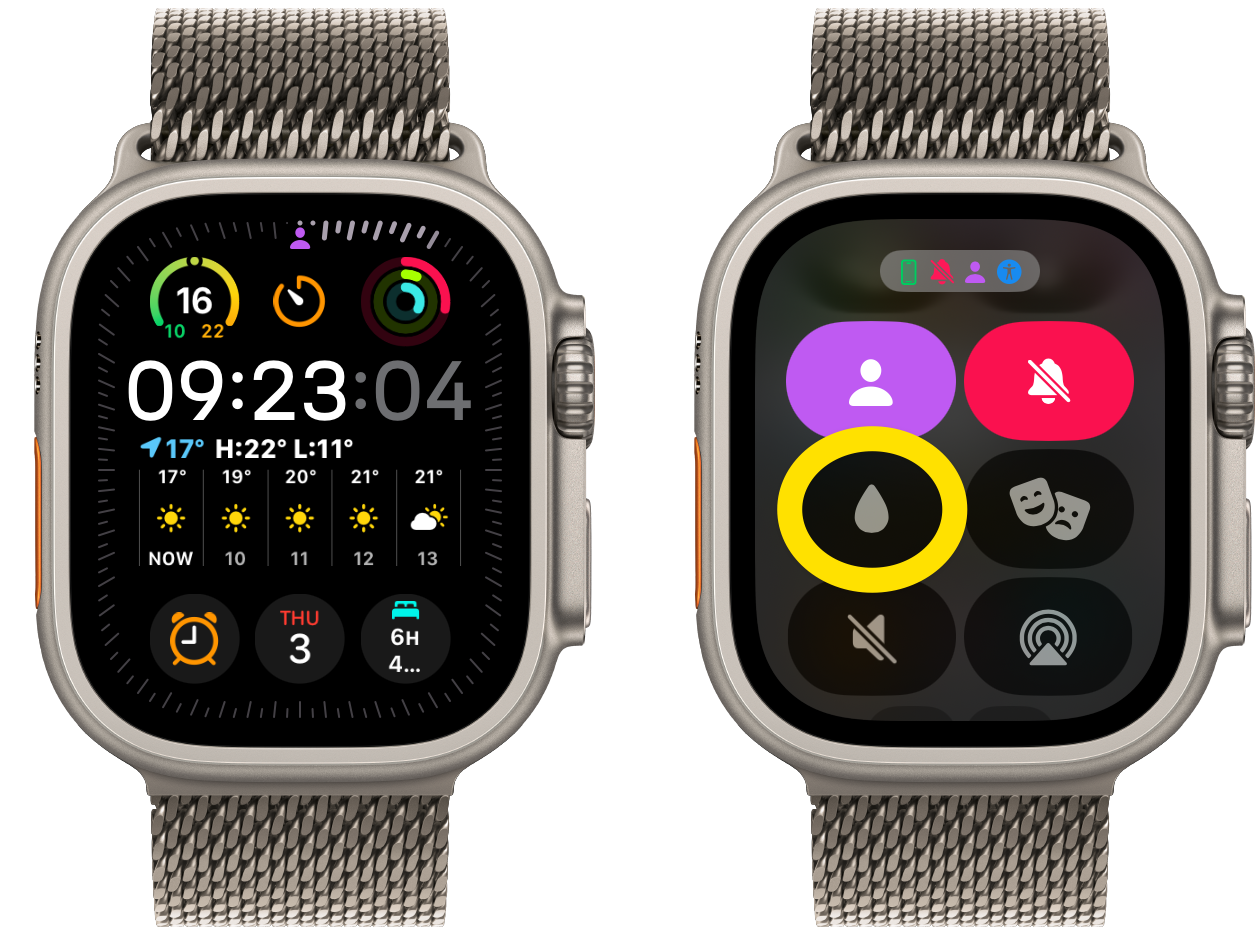
When Water Lock is enabled, the touchscreen becomes temporarily disabled, so nothing happens if it’s pressed or swiped. To turn it on, just swipe up to access Control Center on your Apple Watch, then tap the water droplet icon. When you’re ready to disable it, press and hold the Digital Crown until the lock is turned off.
My new content this week
10 tips for the iPhone (that don't need iOS 26)
|
Content I've enjoyed this week
Is this the new iPhone 17 Air?
|
How Your AI Prompt Travels Through a Data Center
|