This week, BMW becomes the latest in a long line of car manufacturers to say 'no' to Apple. So where does the Cupertino giant go from here?
Apple has a car problem (not that one)
In what’s been a relatively quiet news week for all things Apple, one story that did catch my attention was the news that BMW has become the latest major carmaker to pull out of Apple’s new CarPlay Ultra.
So this week, I thought I’d take a closer look at what’s going on - revisit what CarPlay Ultra actually is, how it evolved from the original Apple CarPlay, how it ties into Apple’s broader ambitions in the automotive space, and why Apple may be struggling to convince car manufacturers to give up the kind of control this system demands.
A brief history of CarPlay
Although CarPlay was officially announced at WWDC back in June 2013, it’s believed that Apple had been working on the project for close to a decade beforehand, starting with early efforts to integrate iPod controls into car stereos. When it first appeared in 2013, it was announced as iOS in the Car, the idea being that Apple could bring key iPhone features like navigation, messaging, music, and phone calls to your car in a safe, hands-free format designed specifically for driving.
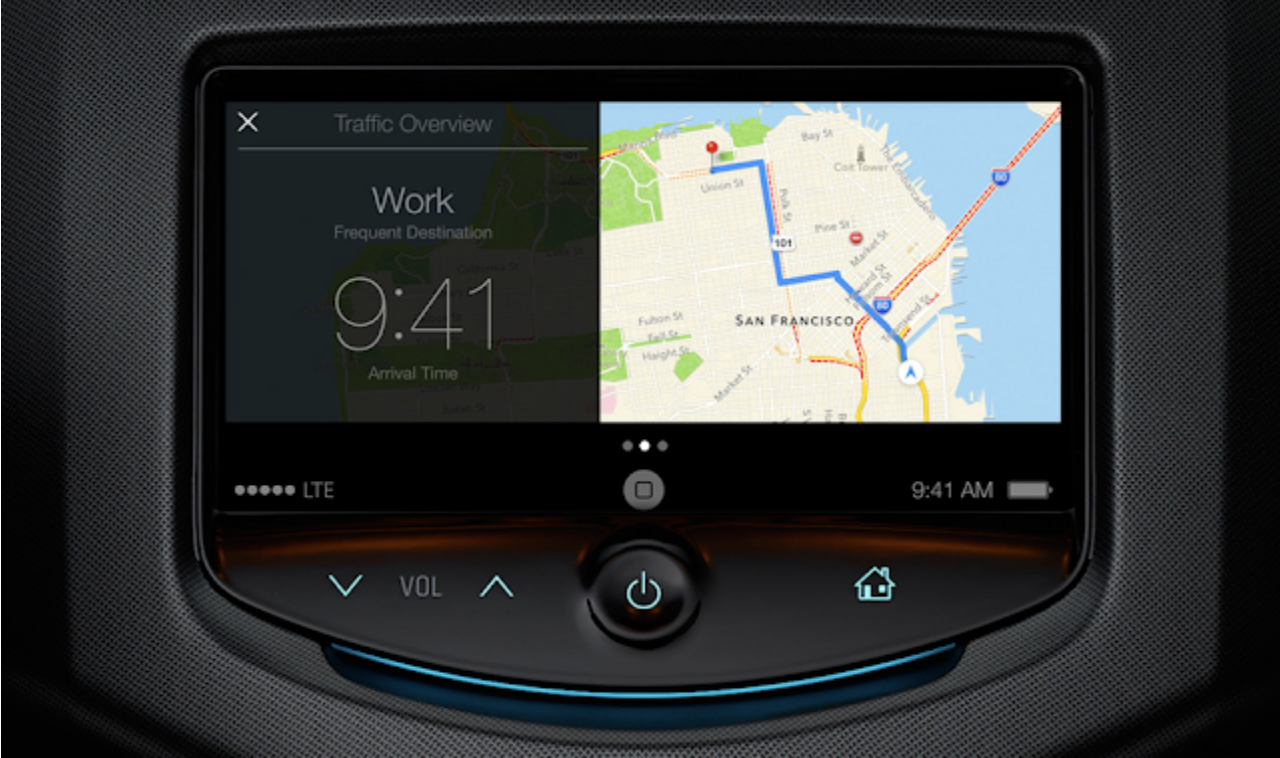
By March 2014, the project had been officially rebranded as CarPlay and made its public debut at the Geneva Motor Show, with Ferrari, Mercedes-Benz, and Volvo as the first official launch partners. In 2015, aftermarket stereo makers like Pioneer and Kenwood began adding support too, which helped bring CarPlay to a much wider audience, including those with older vehicles.
At its core, CarPlay is essentially a simplified version of your iPhone’s home screen, displaying specially designed apps that are optimised for your car’s infotainment display. Importantly, the heavy lifting is done by your phone, not the car. The screen in your dashboard acts more like a remote display, with your iPhone handling all of the processing, either via a wired connection or, increasingly, wirelessly. As long as your iPhone is somewhere in the car, even in a bag or coat pocket, CarPlay will still function exactly as intended.
For those of us who use it daily, CarPlay is a core part of the driving experience, helping us navigate with Apple Maps, listen to Apple Music or podcasts, make hands-free phone calls, and even send and receive messages using Siri.
CarPlay is POPULAR...
To say that CarPlay is popular would be an understatement. Depending on which survey you read, it’s estimated that around four out of five car buyers will only consider vehicles that support CarPlay. Installation rates now top 90% for new vehicles in the United States, reflecting not just strong consumer demand but also mounting pressure on automakers to offer it as standard.
Among those who do have access to CarPlay, or Android Auto, around 85% say they prefer it to the car maker’s native infotainment system, and usage rates are as high as 83%. That’s a key point to understand: CarPlay (and Android Auto) isn’t a replacement for the car’s software; it’s a layer that runs on top of the manufacturer’s existing system.
Take my own car as an example. I drive an Audi, and when I start the engine, the display behind the wheel is all Audi. There are two central screens - one for heating and seat controls, and another that defaults to Audi’s own infotainment system. But one of the options on that screen is to switch over to Apple CarPlay, and like many drivers, that’s the first thing I do out of habit.
What’s interesting is that this setup means I can always jump back to Audi’s system if I want to. And if I forget my phone, I still have access to a mapping tool and other features. But the fact that so many people automatically switch to CarPlay the moment they get behind the wheel - and stick with it for the entire drive, says a lot about how deeply it has embedded itself into the modern driving experience.
(article continues after this...)
Enjoy tips videos, but struggle to remember everything?
Then you should definitely take a look at iPhone Essentials Plus. It’s my dedicated iPhone training portal with more than 150 lessons covering every aspect of your device, and I’m adding new content all the time.

Each lesson includes a short video, a step-by-step guide with screenshots, and a downloadable PDF, so no matter how you like to learn, you’re sorted. There are no ads, no sponsors, just straight-up content, and it’s all available for a one-time payment, no subscription.
And if you’re a Mac user, I’ve just launched a Mac version too. You can pick that up on its own or bundle it with the iPhone course to get the best value. If you’re interested, click the links below to get started.
Purchase Links;
- iPhone Essentials Plus
- Mac Essentials Plus
- iPhone & Mac Essentials Plus Discount Bundle
- iPhone & Lifetime PDF
- Mac & Lifetime PDF
- iPhone, Mac & Lifetime PDF
The classic love/hate relationship
You might think that car manufacturers would be absolutely thrilled to include CarPlay in their vehicles. After all, you’re getting arguably one of the best software companies in the world, with the largest consumer base, designing the interface that many of your drivers will interact with most. That should, in theory, take a lot of pressure off your in-house team to develop something that can compete.
And that matters, because car makers have historically struggled with building good infotainment systems. I know I’m not alone when I say that I no longer even bother checking what a car’s native software is like, because I know I’m never going to use it. CarPlay is now the default for many drivers, and it’s what we switch to as soon as we start the engine.
There’s also a brand benefit. Supporting CarPlay helps an automaker appear tech-forward and relevant, especially to younger buyers who expect seamless integration with their phones. For lower- and mid-tier brands in particular, it’s a quick way to add real value to their vehicles, especially if their own systems are lacking. CarPlay is reliable and mature, and it instantly elevates the user experience.
But, as with many things in life, it’s not that simple.
CarPlay is both a blessing and a threat to the car industry. Manufacturers need it to satisfy consumer demand, but many of them are quietly worried about what they’re giving up, especially when it comes to data and long-term profit.
Modern vehicles generate an enormous amount of data, everything from driving behaviour and location history to system diagnostics, infotainment usage, and even interactions with third-party apps. This data is a goldmine, not just for improving the in-car experience, but for building out subscription services, targeting users with personalised offers, and maintaining direct relationships with customers.
Historically, car companies have owned and controlled all of that. It’s allowed them to build proprietary ecosystems, offer data-driven premium features, and drive recurring revenue streams. But CarPlay cuts into that power. When drivers plug in their iPhone, Apple takes over the interface, and with it, gains access to some of the most useful and valuable real-time customer data. And they’re doing it all through a feature that’s completely free to use.
So while CarPlay might look like a no-brainer on the surface, for the manufacturers, it’s a much more complicated relationship.
CarPlay becomes CarPlay Ultra - and car manufacturers have had enough...
Back in 2022, Apple announced the next generation of CarPlay, originally referred to as CarPlay 2.0, now officially known as CarPlay Ultra. The idea was simple: expand CarPlay from projecting a few iPhone apps on a single infotainment screen to becoming a fully integrated, system-level platform.
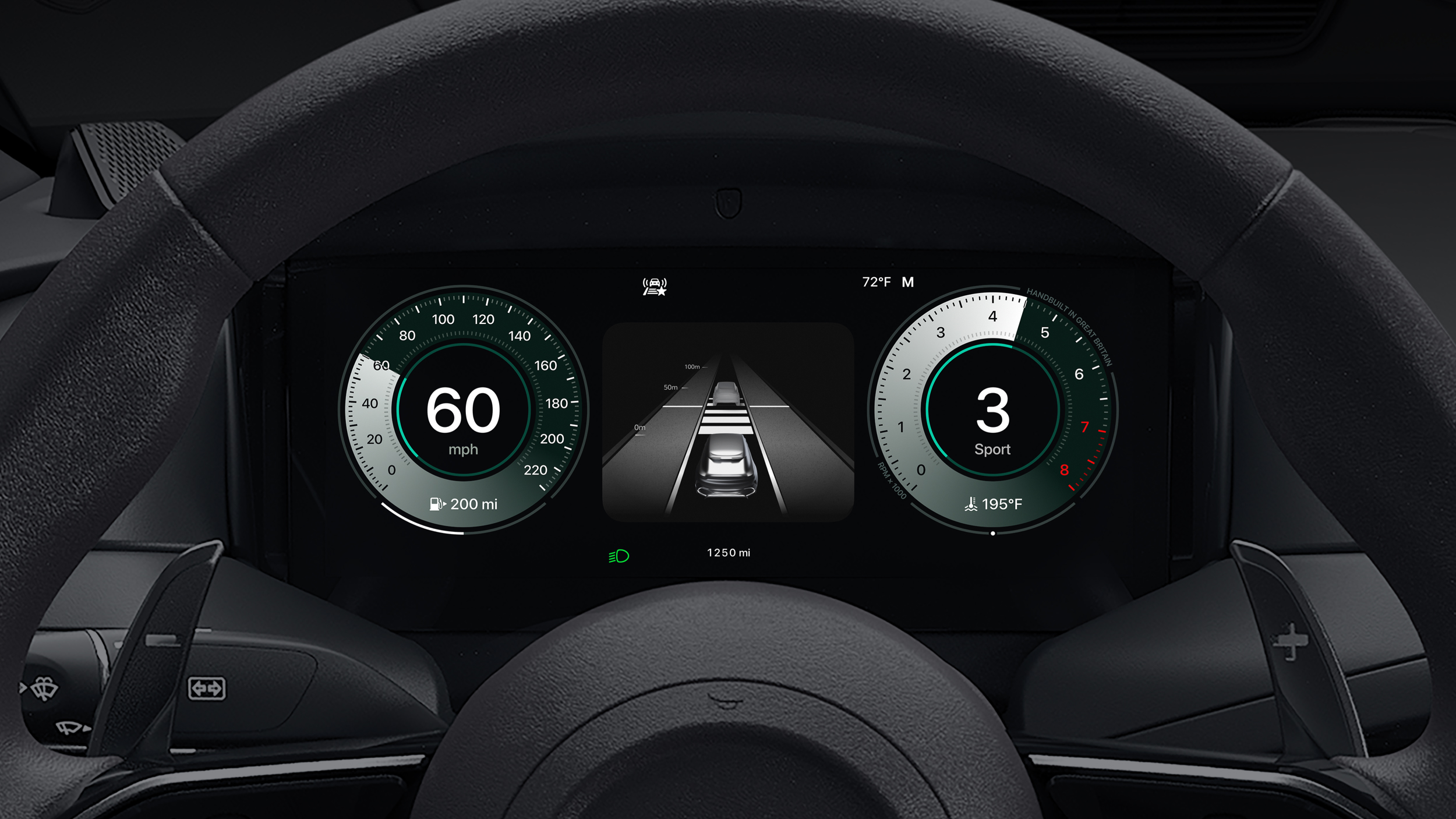
When connected, CarPlay Ultra doesn’t just take over the main display. It takes over the entire interface of the vehicle, including the instrument cluster, secondary screens, and key vehicle controls. That means users can manage critical functions like climate, audio, and even drive modes, view detailed telemetry like tyre pressure and fuel levels, and fully personalise how information is displayed across every screen, all in Apple’s clean, familiar design language.
CarPlay Ultra effectively bridges iPhone data and essential car systems, allowing for things like widgets on the dashboard, advanced Siri voice control over the vehicle, and seamless UI customisation. Apple first demoed this with Aston Martin, and while the visuals included some signature Aston Martin branding and colours, the overall experience was unmistakably Apple. The interface looked more like a moving iPad than a bespoke Aston Martin system.
And this, of course, is where the tension begins.
A growing number of car manufacturers, including some that originally expressed support back in 2022, are now starting to push back. The issue isn’t just integration anymore. It’s control. As Apple pushes for deeper access to in-car systems, manufacturers are becoming increasingly concerned about what they might be giving up, and how much influence Apple could end up having over the entire driving experience.
So who's in? And who's out?
Right now, we’re seeing a clear divide emerge across the automotive industry, between adopters and holdouts.
In the adopter camp, you’ve got some impressive names: Aston Martin and Porsche, along with Hyundai, Kia, Genesis, and a few others who remain on board. These are brands that see real value in the customer appeal of Apple’s ecosystem, especially when it comes to buyers who prioritise seamless phone integration and a familiar, polished interface. I’ll be honest, I don’t know the strategies of all these brands well enough to say whether they’re simply deferring to Apple or whether they’re deliberately stepping back from developing their own UI in favour of partnering with one of the best in the business.
But on the other side of the line, we’ve got some very key holdouts. BMW, Mercedes-Benz, Audi, Volvo, Polestar, and Renault have now all explicitly rejected CarPlay Ultra. These are brands choosing instead to invest in in-house systems, prioritising customisation, data ownership, and full control over the driver experience, keeping all of that squarely within their brand.
And they’re not being subtle about it. Renault, for example, couldn’t have been clearer, telling Apple: “Don’t try to invade our systems,” and directly accusing the company of overreach.
So, is this the Apple Car?
One long-running theory here is that CarPlay Ultra is the logical next step after the collapse of Apple’s long-rumoured self-driving car project, known internally as Project Titan. Apple’s ambitions for the Apple Car were enormous, the company reportedly spent over $10 billion across a decade developing its own vehicle.
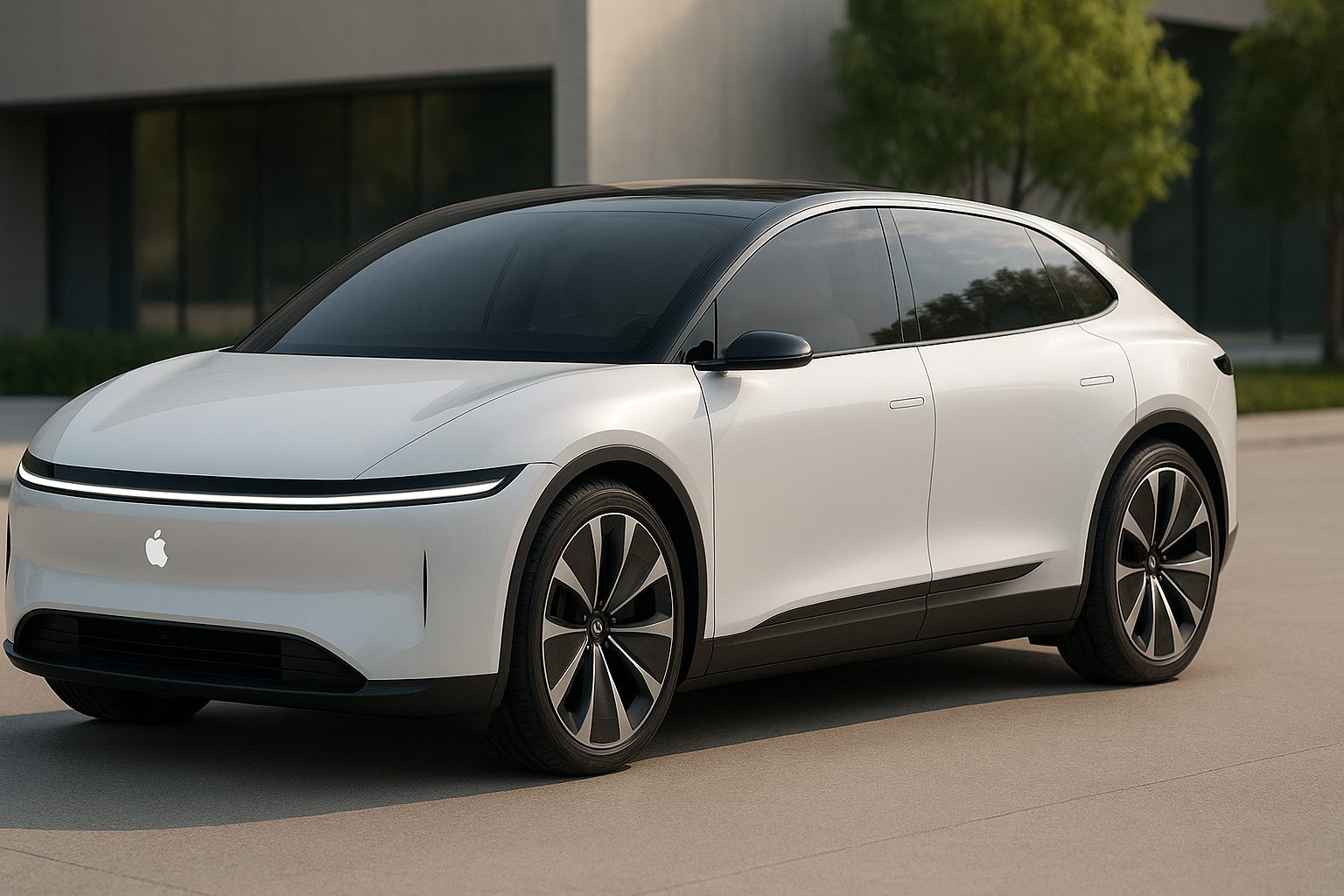
But ultimately, the task proved insurmountable. Fierce industry barriers, mounting regulatory complexity, and persistent internal disagreement about the project’s direction all took their toll. Apple officially cancelled the Apple Car in early 2024, one of the rare times the company has ever publicly scrapped a product that it never actually announced.
Since then, Apple has been busy redirecting resources and expertise from hardware-focused automotive work into areas like artificial intelligence and software experiences, particularly CarPlay Ultra. And in many ways, it makes perfect sense. It plays directly to Apple’s biggest strength: deeply integrated software.
You could argue that CarPlay Ultra doesn’t give Apple much control over the hardware, but for the areas the company is most interested in, user interface, data integration, and overall experience, it gives them a remarkable amount of influence, while leaving the mechanical and safety-critical components to the car makers.
It also allows Apple to keep a foot in the automotive world in a way that extends far beyond the limitations of current CarPlay. Crucially, it’s a strategy built on partnership rather than competition. A full-blown Apple Car would’ve gone head-to-head with the biggest names in the industry. CarPlay Ultra, by contrast, aims to make Apple an indispensable software partner, opening the door to more meaningful collaborations if, of course, Apple can convince automakers to play ball.
So, no Mercedes, no BMW, no Audi... where does Apple go from here?
There’s no denying that with major players like Mercedes, BMW, Audi, and Volvo all officially pulling out of CarPlay Ultra, Apple is going to have to think long and hard about what its next move might be.
And of course, no one outside of Cupertino truly knows what that move will be. Apple is a notoriously secretive company, and in typical fashion, they’ve been very quick to highlight their new partnerships while remaining conspicuously quiet about the ones they’ve lost.
But if I’ve learned anything from watching Apple over the years, I’d bet their next step will be to double down on the partners they do still have, especially the early adopters. Brands like Aston Martin and Porsche lend CarPlay Ultra a premium edge, even if they only appeal to a relatively small slice of the global market. Meanwhile, the likes of Hyundai, Kia, and Genesis open up much broader consumer reach and offer Apple the chance to prove the concept at scale.
Apple’s strategy here is likely to rely on consumer enthusiasm. The hope is that as more people experience CarPlay Ultra’s seamless dashboard integration, those same consumers will start to demand it in every car, putting pressure on holdout manufacturers to reconsider. And that’s not just wishful thinking. We’ve seen this play out before. A number of carmakers originally resisted regular CarPlay, only to cave under mounting customer demand.
In the meantime, Apple may also need to show a bit more flexibility. Right now, CarPlay Ultra is positioned as an all-or-nothing platform, but future iterations could allow automakers to retain more control, whether that’s keeping certain elements of their own interface, setting limits on what data Apple can access, or surfacing brand-specific features alongside Apple’s UI.
And finally, Apple still has one big card to play: privacy. Carmakers don’t have a great track record when it comes to data security and consumer transparency. By contrast, Apple has built its brand around privacy-first values, and if they can continue to message that clearly, and if consumers begin to truly understand the difference, that alone could give Apple the leverage it needs to bring more manufacturers back on board.
Tip of the week
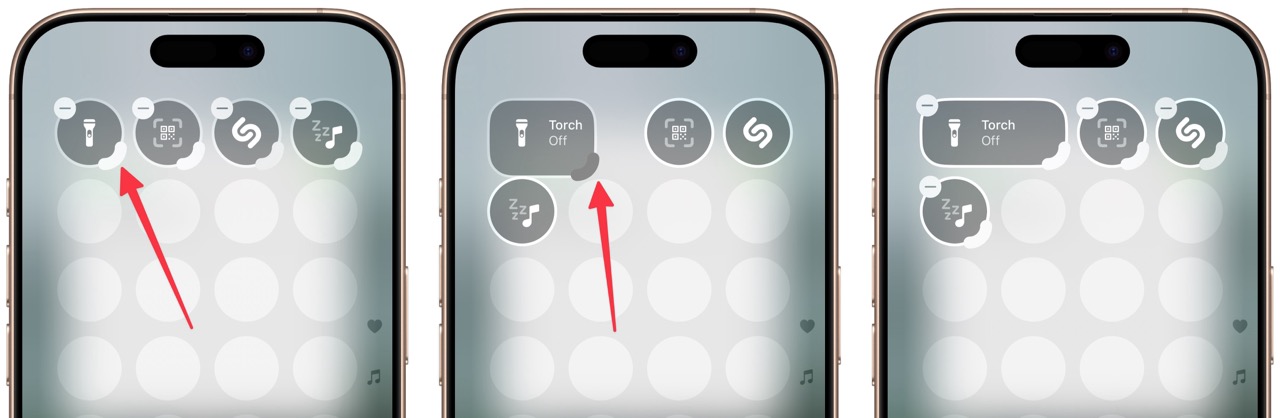
You can make the Control Centre buttons more visible, by entering edit mode, and then using the drag bar at the bottom of each control centre button. You can then drag down slightly, and over to the right, and turn each button from a single tile, to a 1x2 tile. This includes the name of the function, making it much easier to read.
My new content
Tips everyone should know for the Health App
|
Content I've enjoyed
Samsung ready for Apple foldable competition
|

Is this the iPhone 17 Pro out in public?
|